
The last few days we’ve been on the move quite a lot, so today, we decided to slow the pace down, sleep in an bit, have a hearty breakfast and try to let the bulk of the rain pass us by before we started out on our walking tour of the old city of Bruges.
Bruges’ name comes from the Norse for “wharf”. In the 11th century the coastal city grew wealthy on cloth trade. It was an economic powerhouse and became one of the biggest cities in the world ( as large as London for a time). By the 14th century, it was the most important cloth market in Europe.
But in the 16th century, the harbour had silted up to the point it was impassible and the economy collapsed. Bruges’ golden age ended.
We started our walk again crossing over to the old town through the gate house. We headed down Ezelstraat until we came to the first canal before turning left to explore new parts of the city.
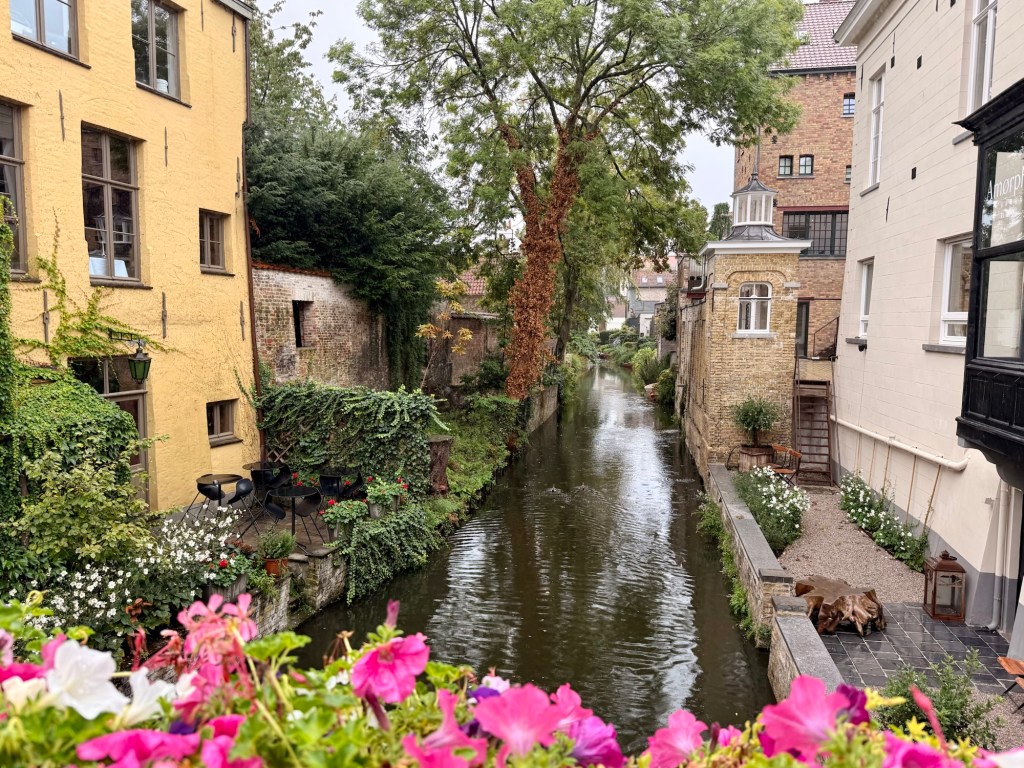
We were following another bloggers path which took us to some interesting back alleys and sites we wouldn’t have found otherwise.
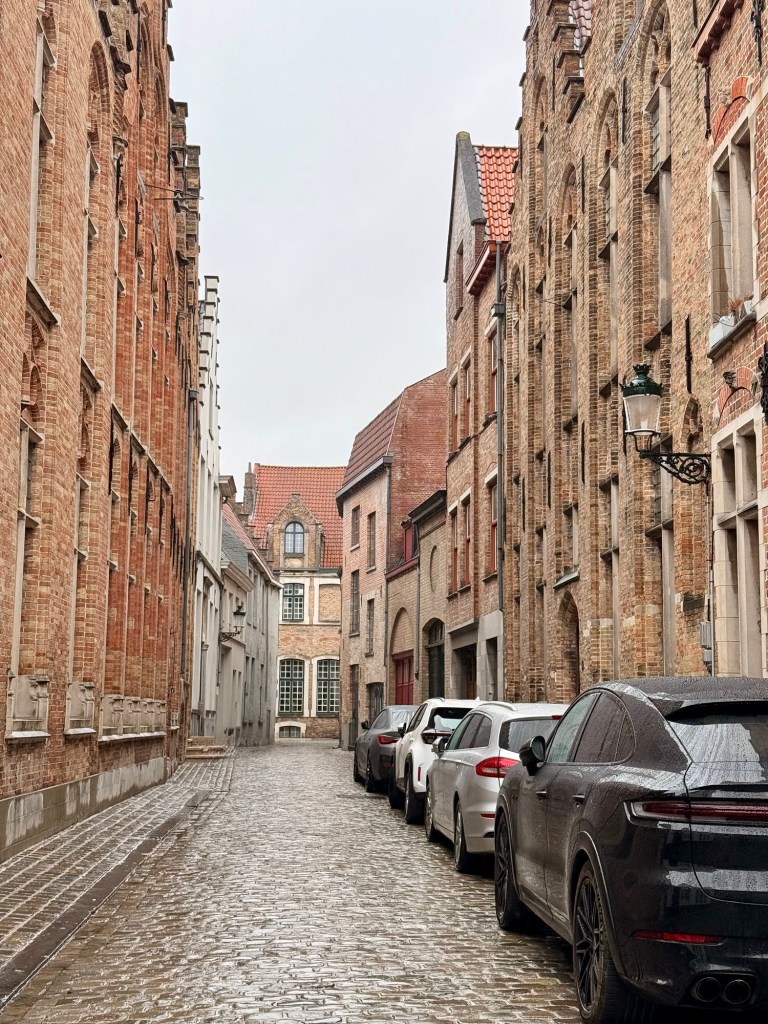
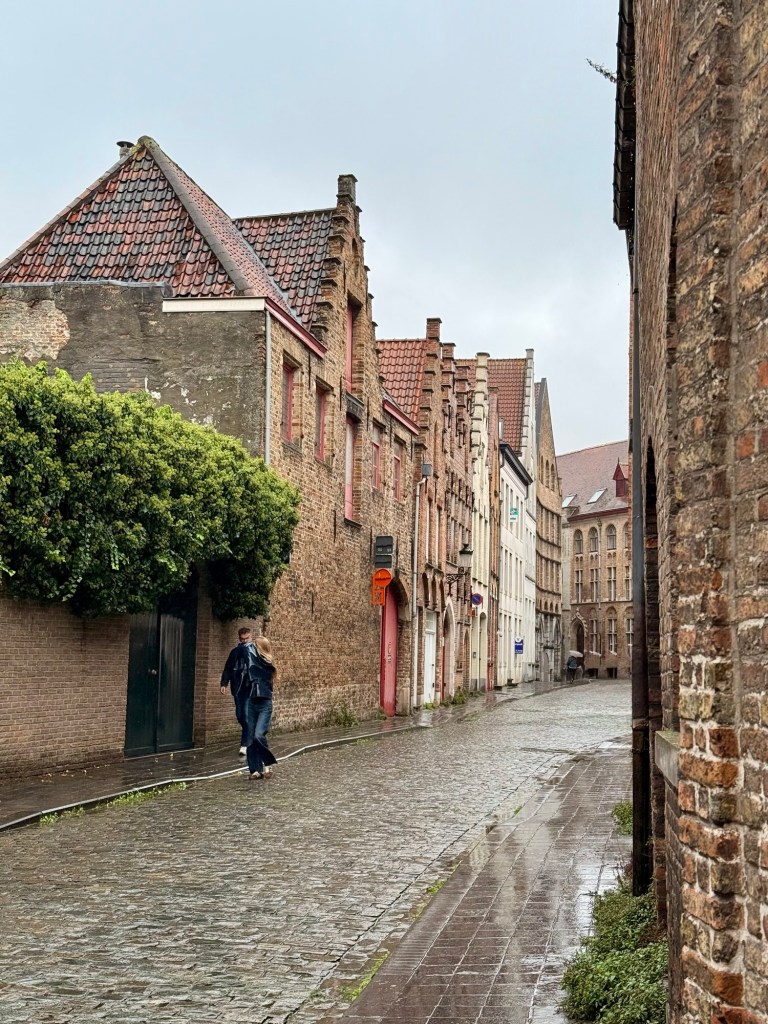
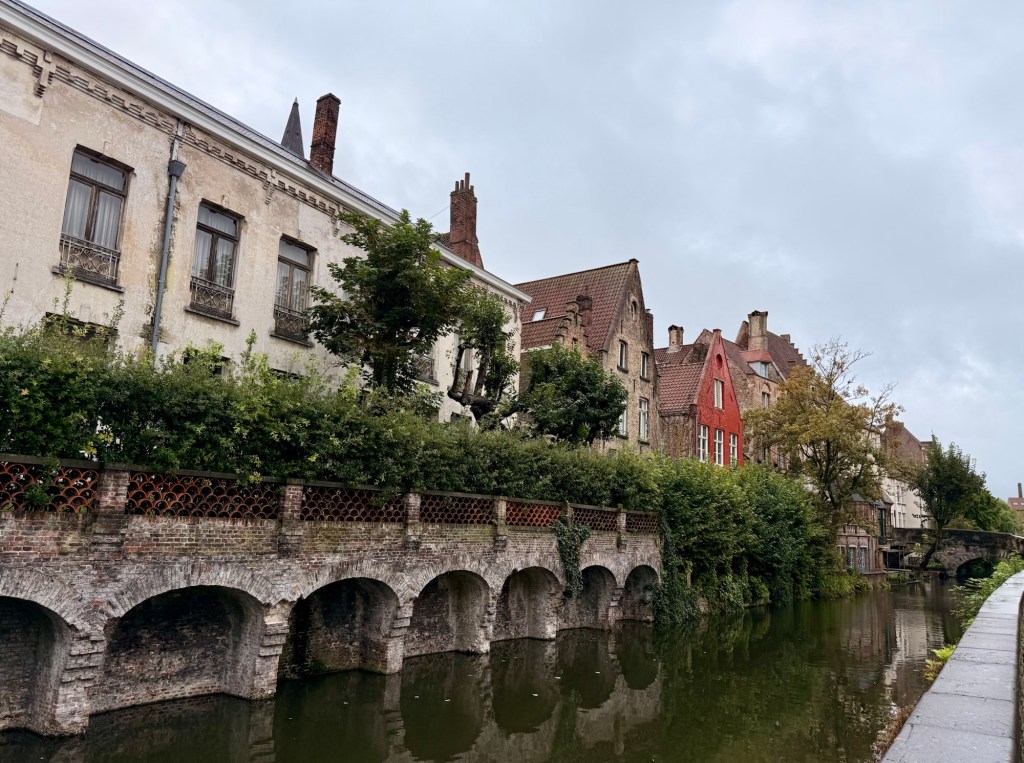
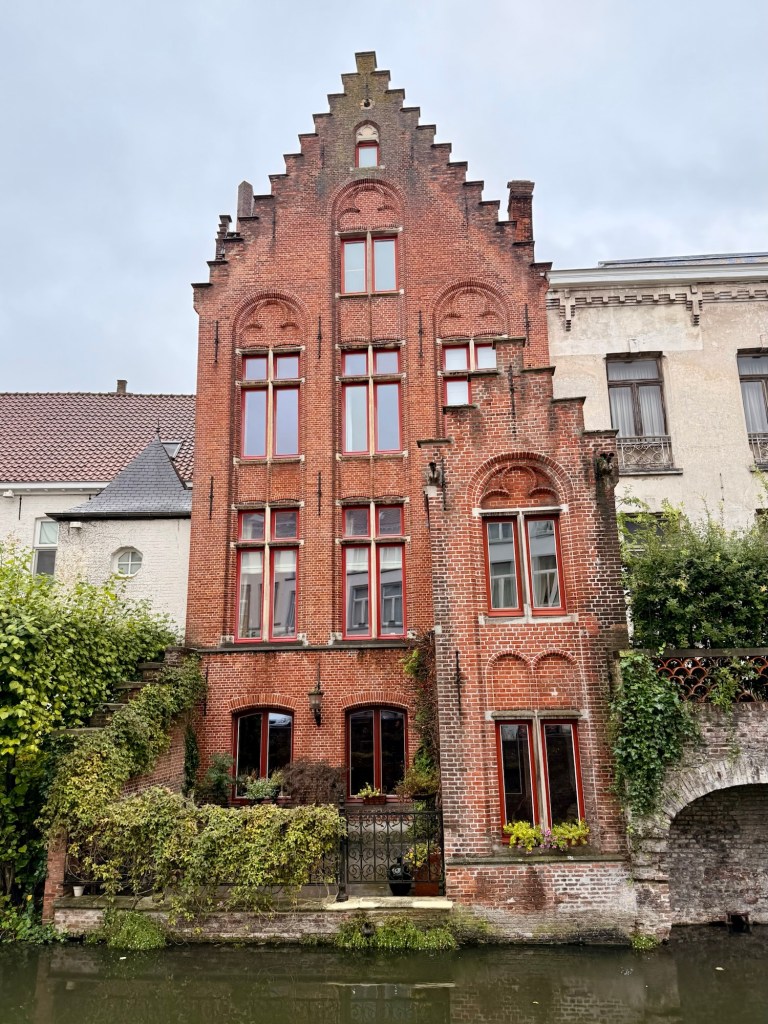
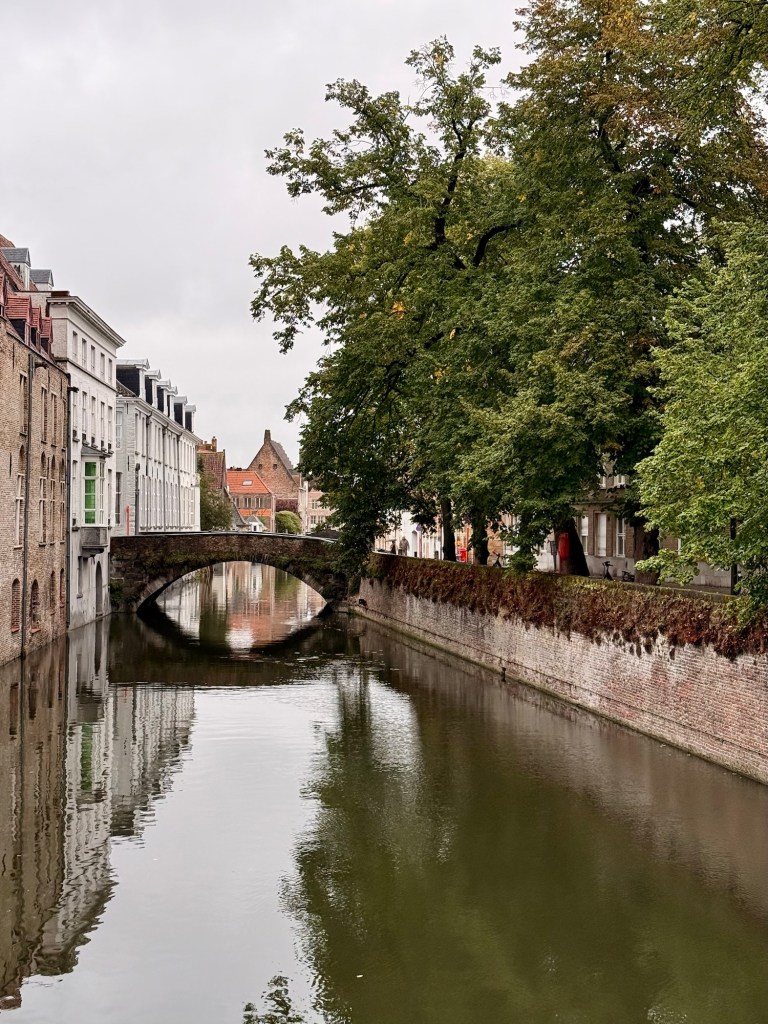
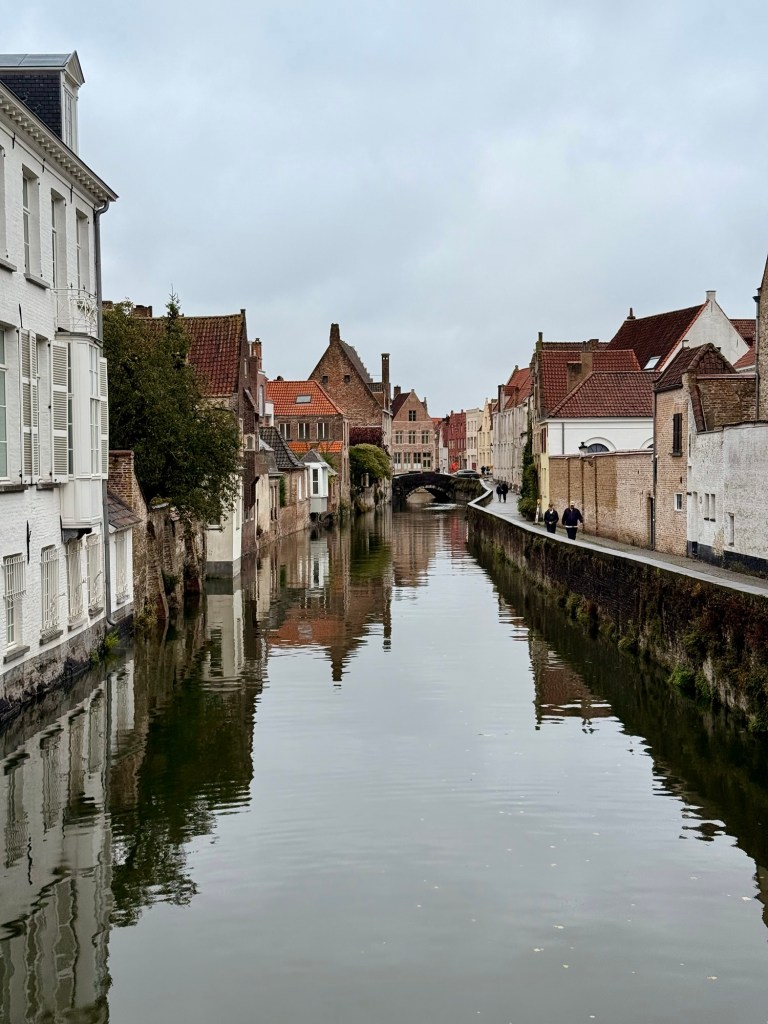
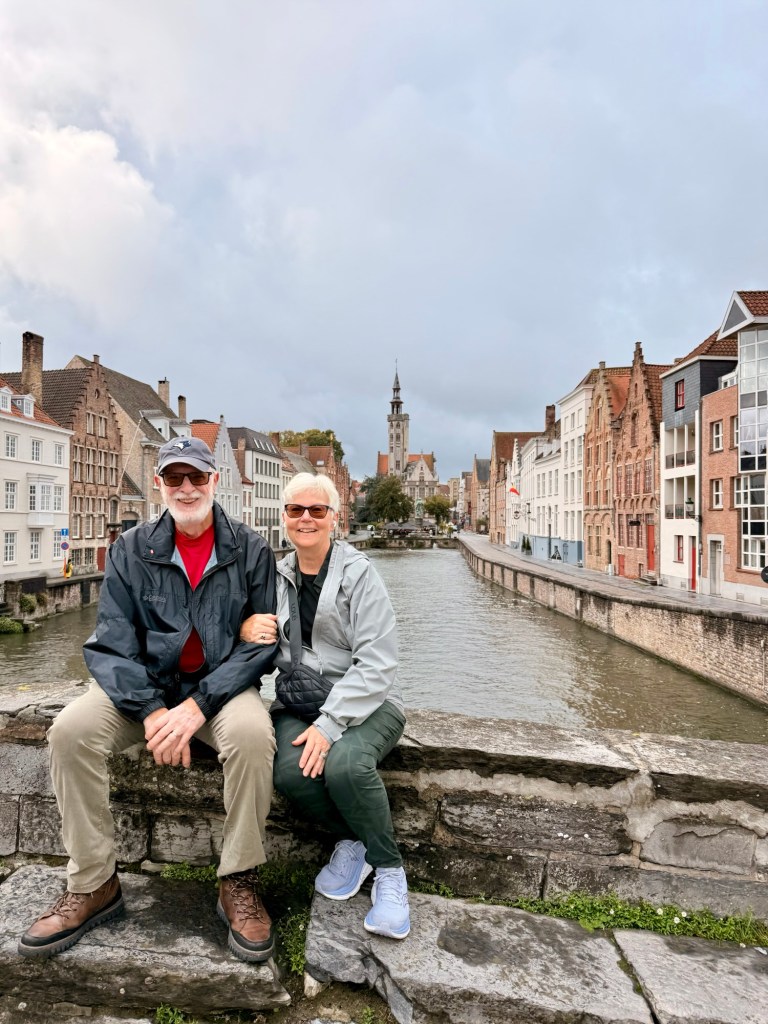
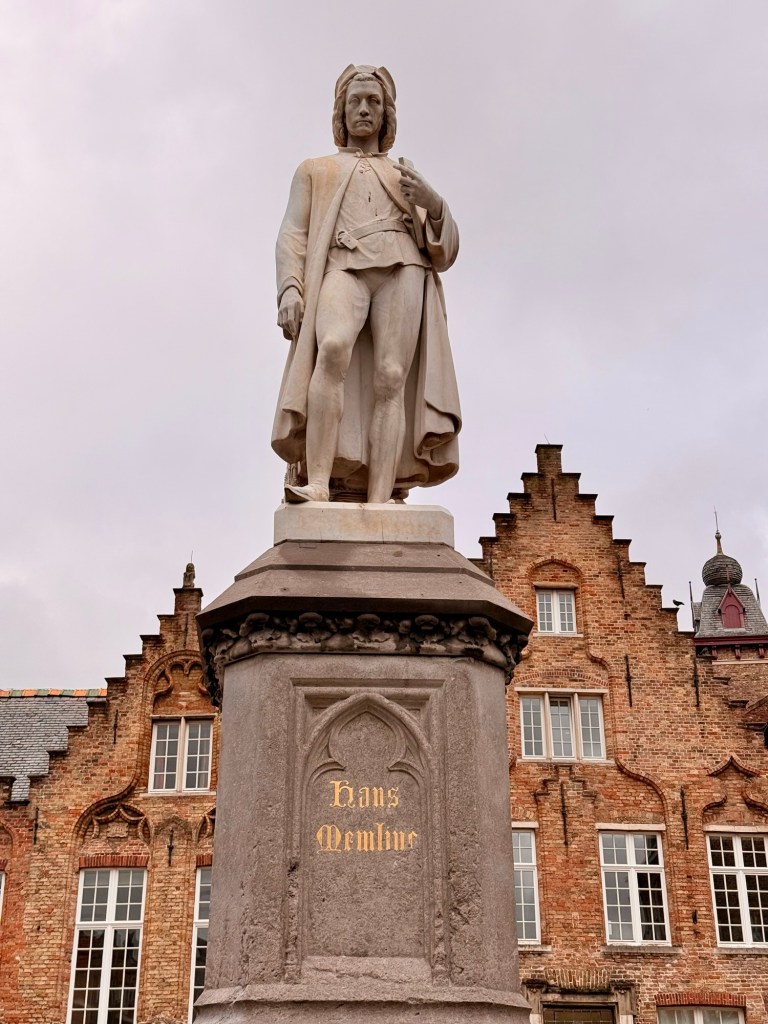
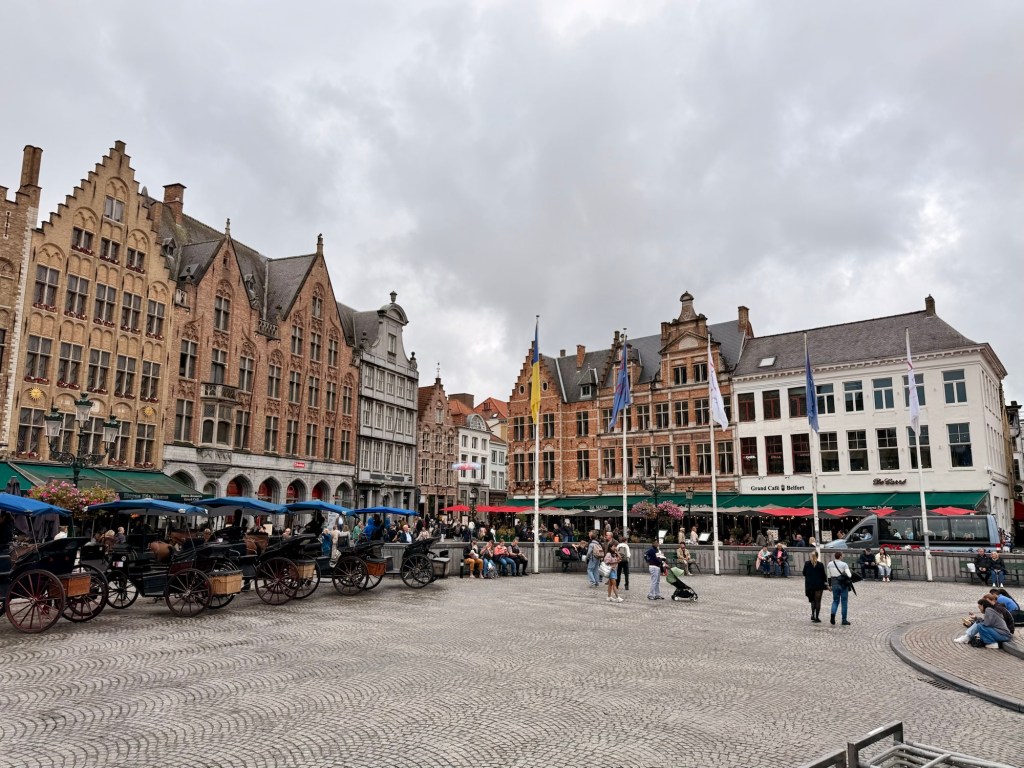
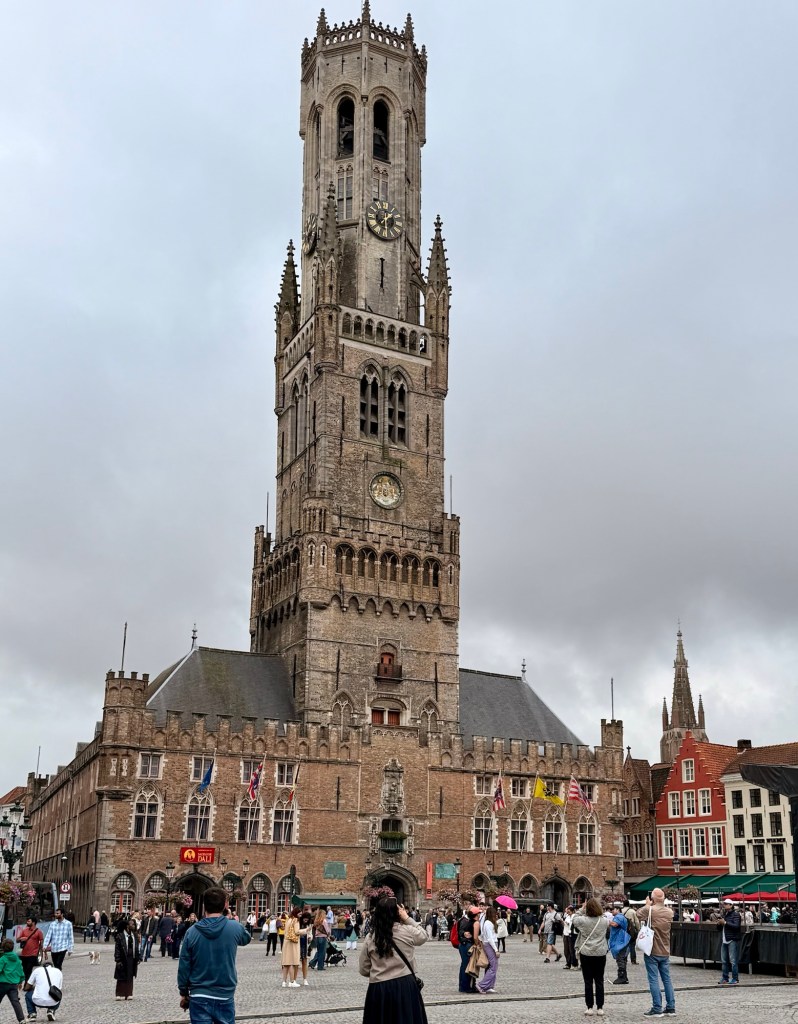
From here, we walked a little further and came to the Market Square., the modern heart of the city.
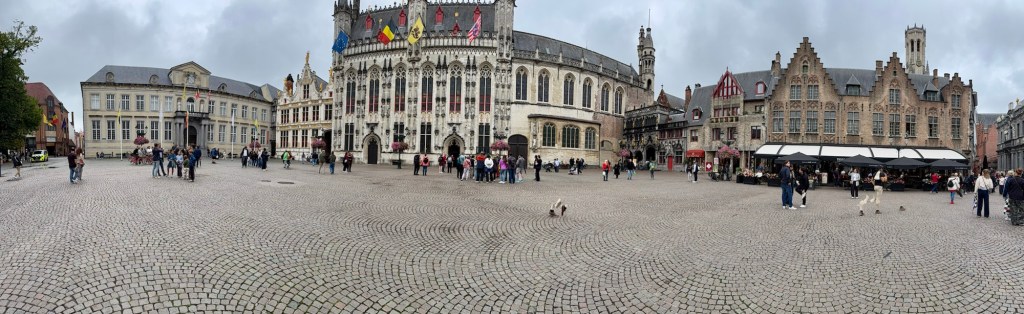
Just beyond the market square is the Burg, the historic birthplace of the city. It’s home to the City Hall and the Basilica of the Holy Blood made famous for its relic of the blood of Christ. According to tradition, the crystal vial containing this was brought to Bruges in 1150 after the second crusade.
Not far from the Burg Square there is the “Blinde-Ezelstraat” which means “Blind Donkey Street”. In Medieval times, as legend has it, donkeys carrying fish on their backs from the North Sea were stopped here so that their owners could put blinders on them. Otherwise the donkeys wouldn’t cross the water between the old city and the fish market.
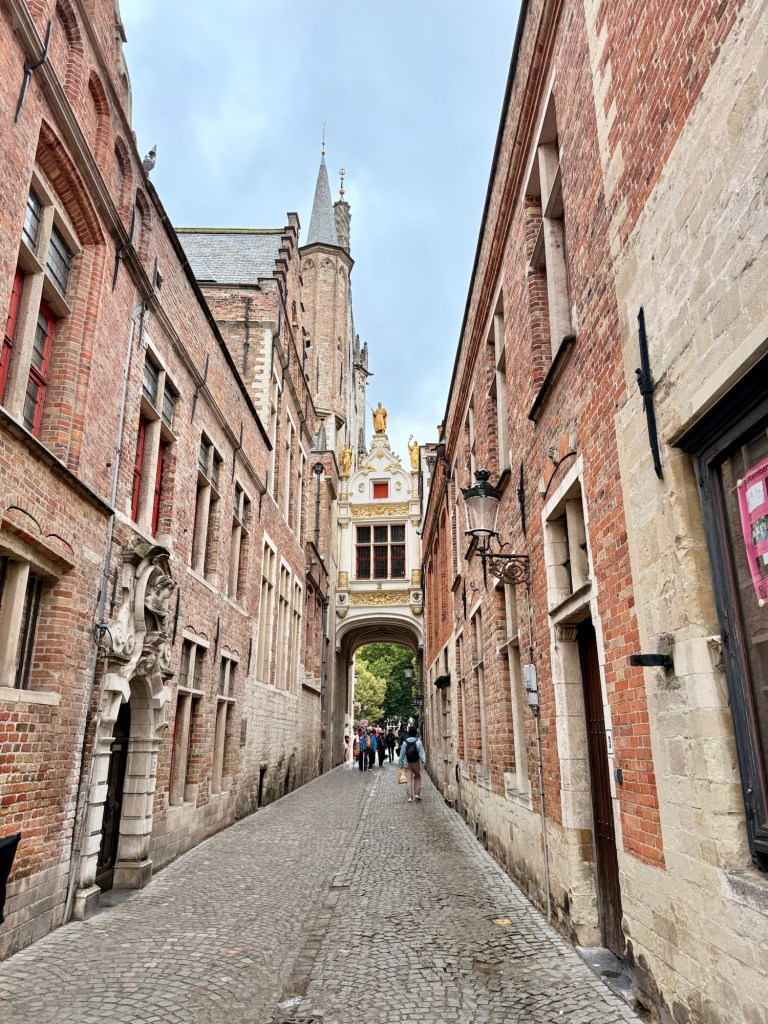
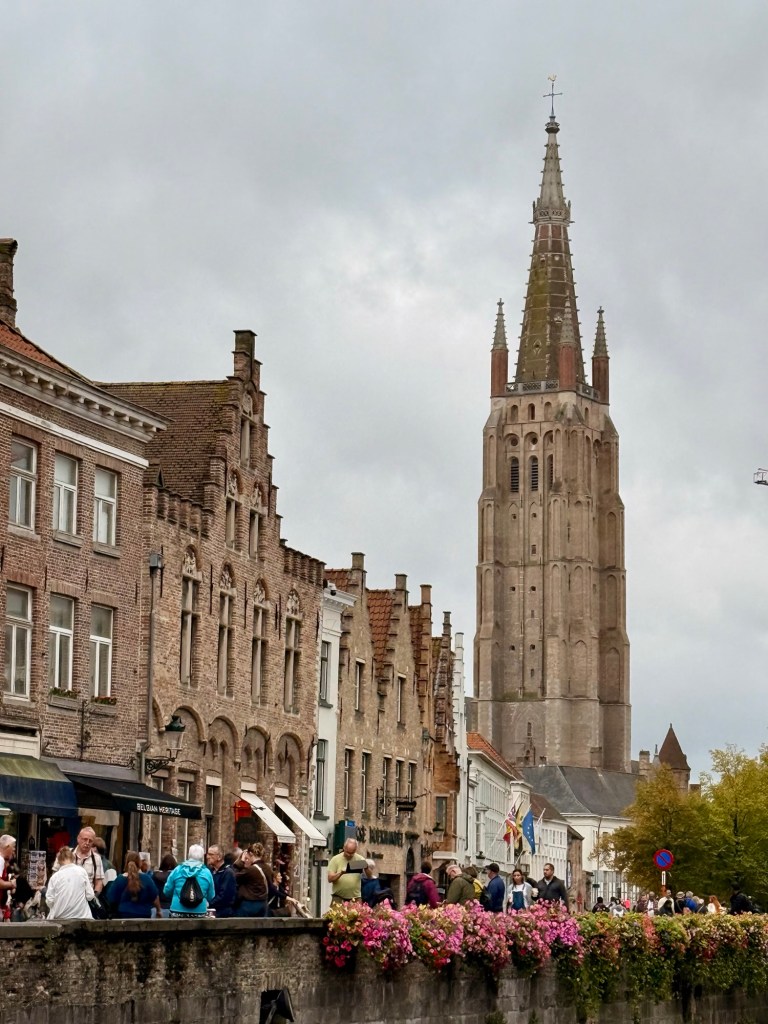
Our intention was to visit both the Gruuthaas as well as the Church of Our lady, but because it was late in the day we decided to press on to St John’s Hospital, where there is a large collection of Memling paintings and altar pieces.
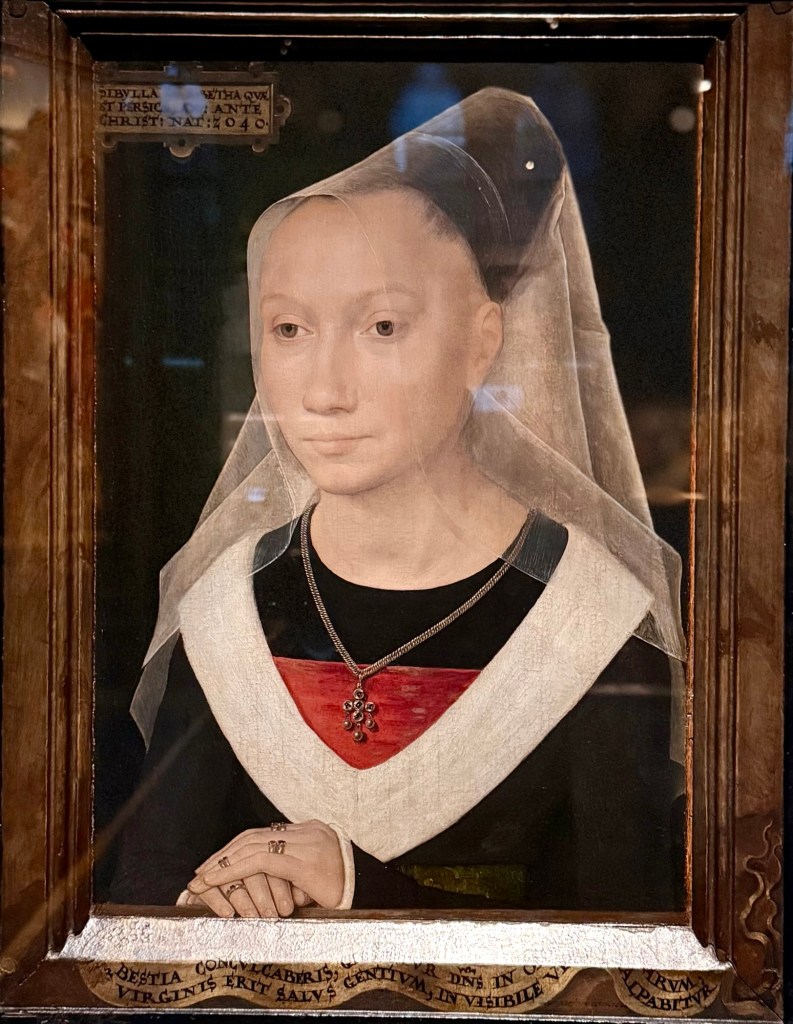
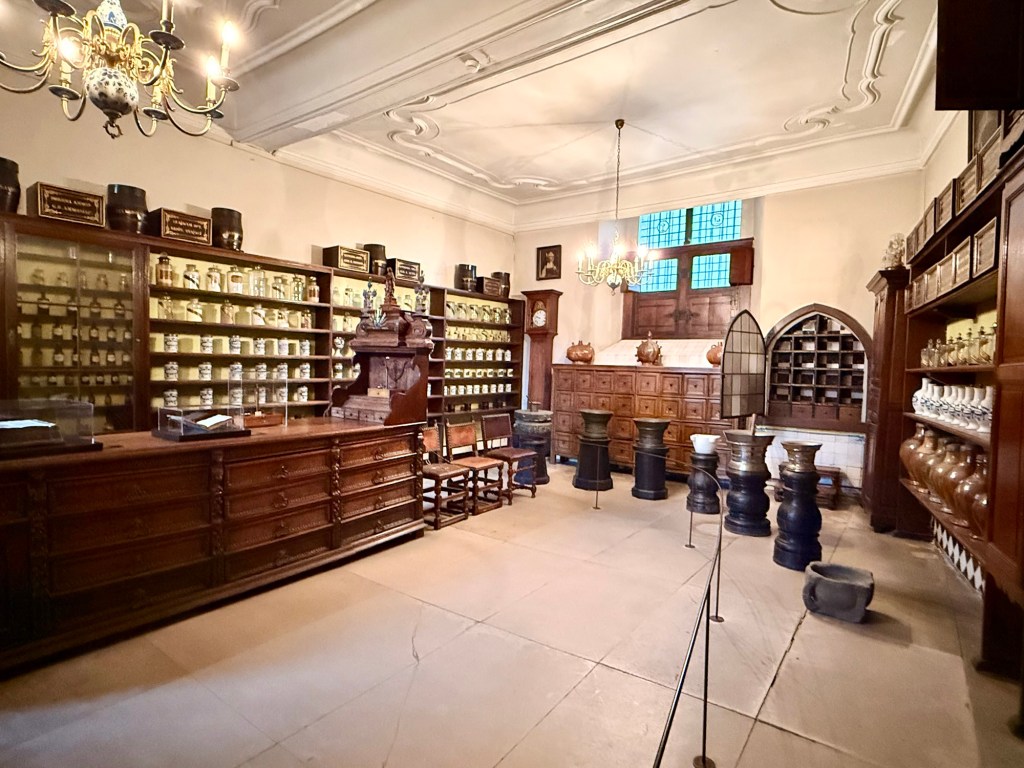
The hospital itself had some interesting history of the care of patient’s during the 15th century. One banner I read referenced which saint you prayed to depending on the affliction of the patient. Unlike our medicine today, there was prayer, nutritious and regular food, cleanliness and if that didn’t work then bloodletting, pulling of one’s teeth and perhaps amputation! I’ll take our current health care system thank you very much!
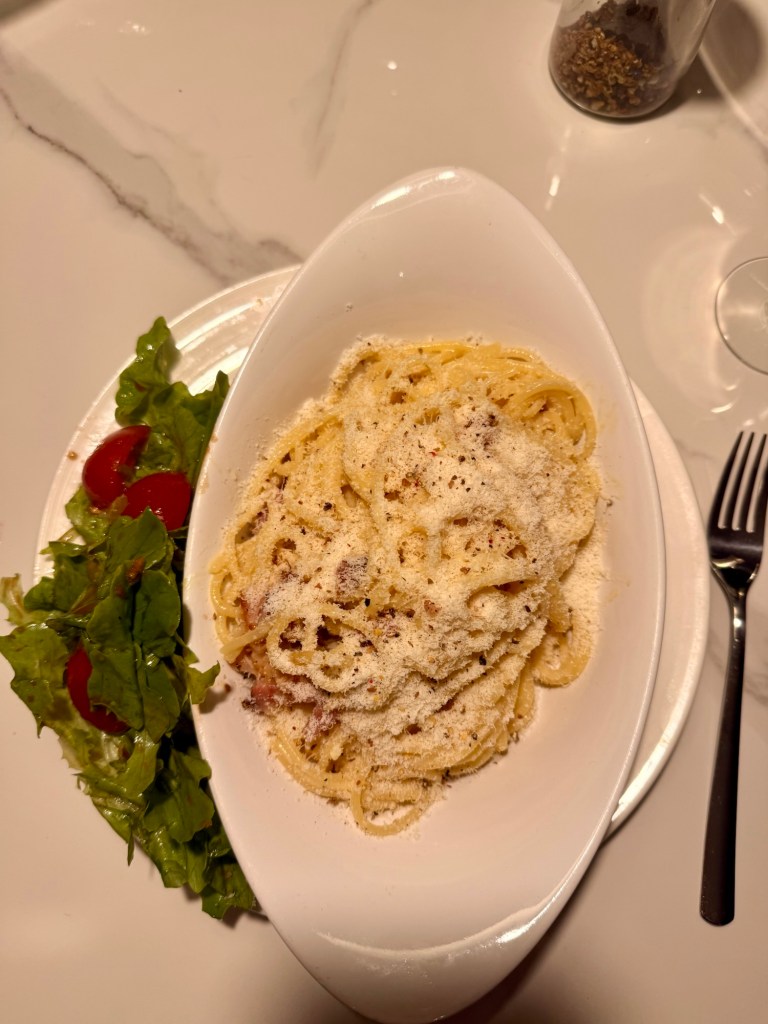
Well, it’s been a long day of walking, and we decided to head back to the B and B and have dinner in. We bought what we thought was bacon yesterday at the supermarket, and it turned out to be a smoked chunky guanciale like meat. Perfect for Carbonara I thought! A little salad on the side and dinner was born!
Well, it’s time to put my feet up and rest up for another big day tomorrow. We’re thinking of possible going back to the 2 museums we were interested in seeing, and may also try to visit Ghent for the rest of the day. I’ll let you know how it all turns out. Until then!




Leave a Reply