
We woke up early today ( after a very late night!) and got ourselves ready for a day of exploring the D Day beaches and places of significance on this massive liberation operation “Operation Overlord”.
By 8:30 we headed off to the most westerly site on our plan for the day, Utah Beach. This was the most westerly landing point for the Allied Forces. While further west the American Commandos secured the western front just prior to the landing.
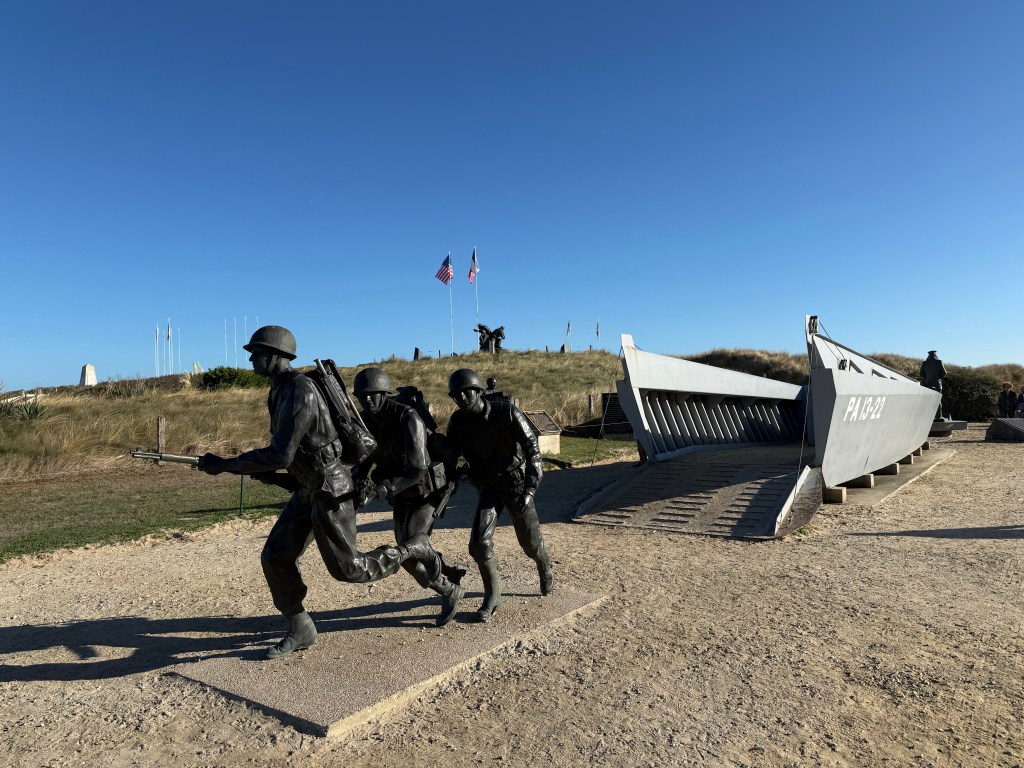
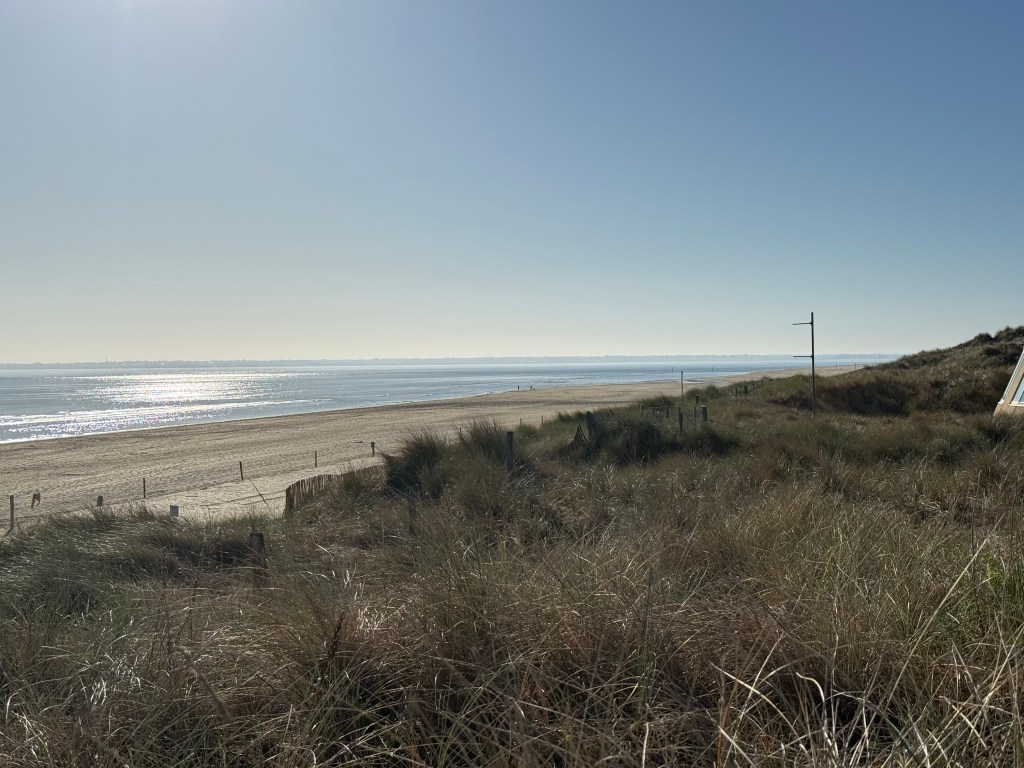
From here we drove to Omaha Beach. The topography of this landing meant that there was a substantial uphill disadvantage for the landing US army.
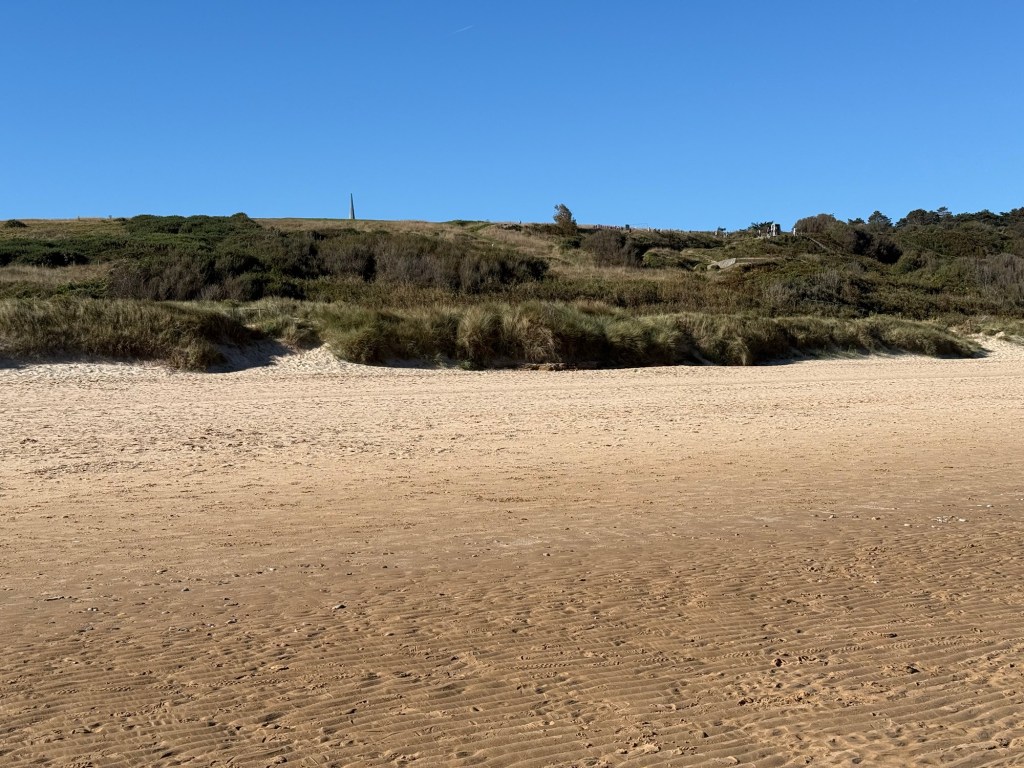
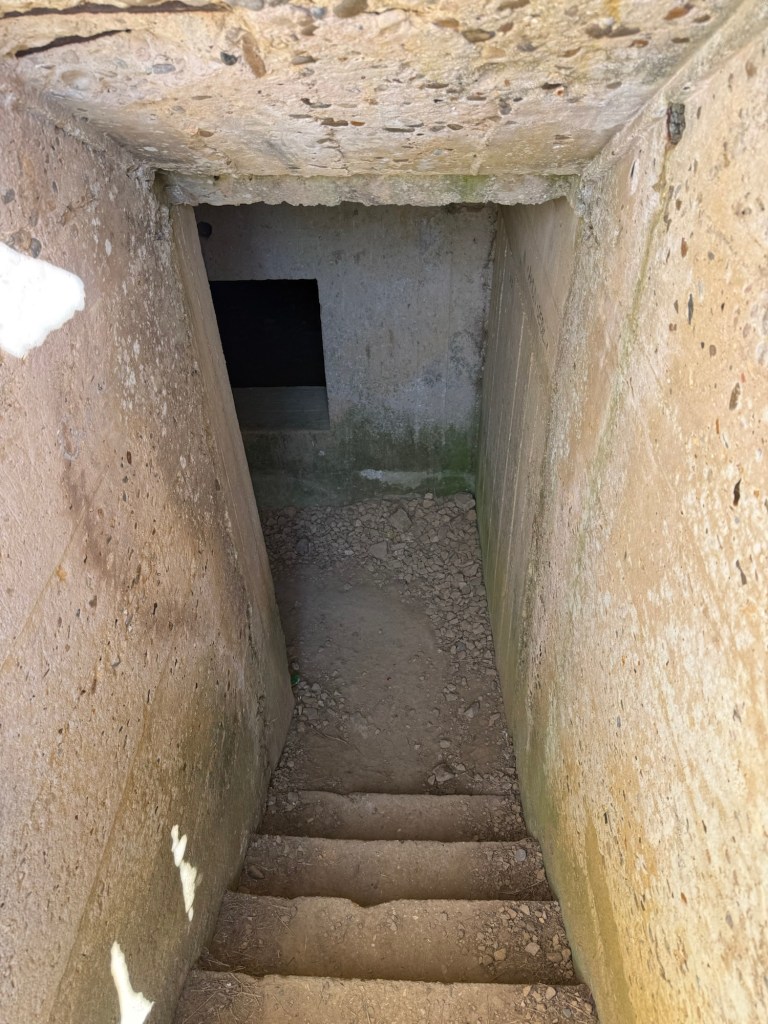
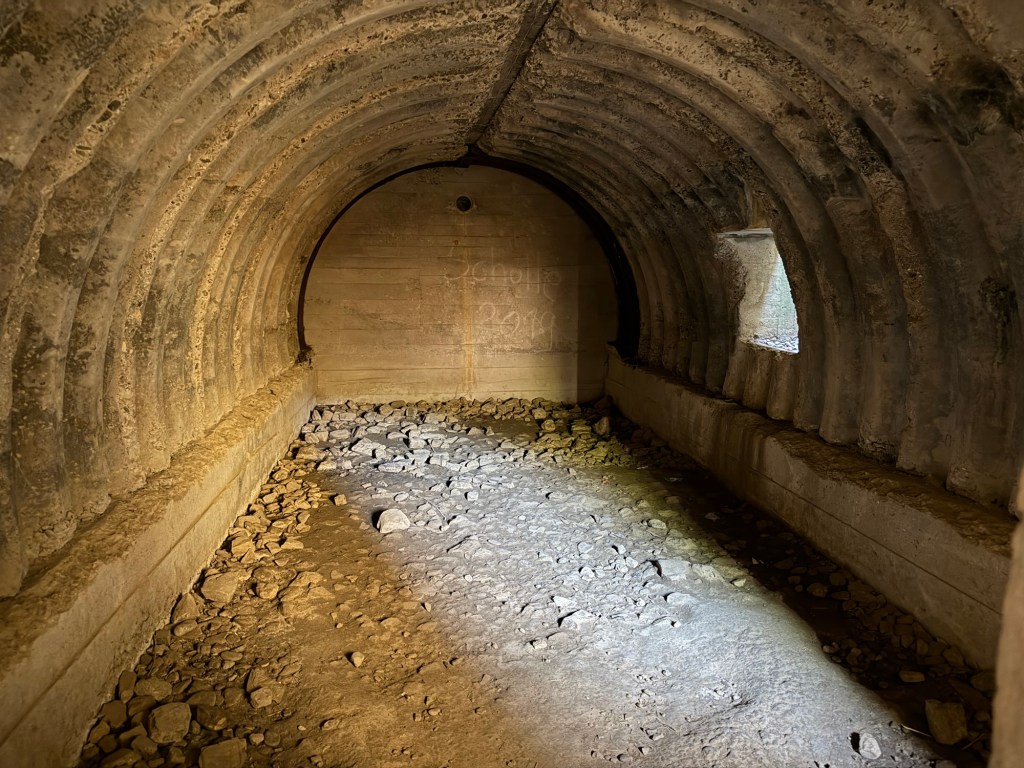
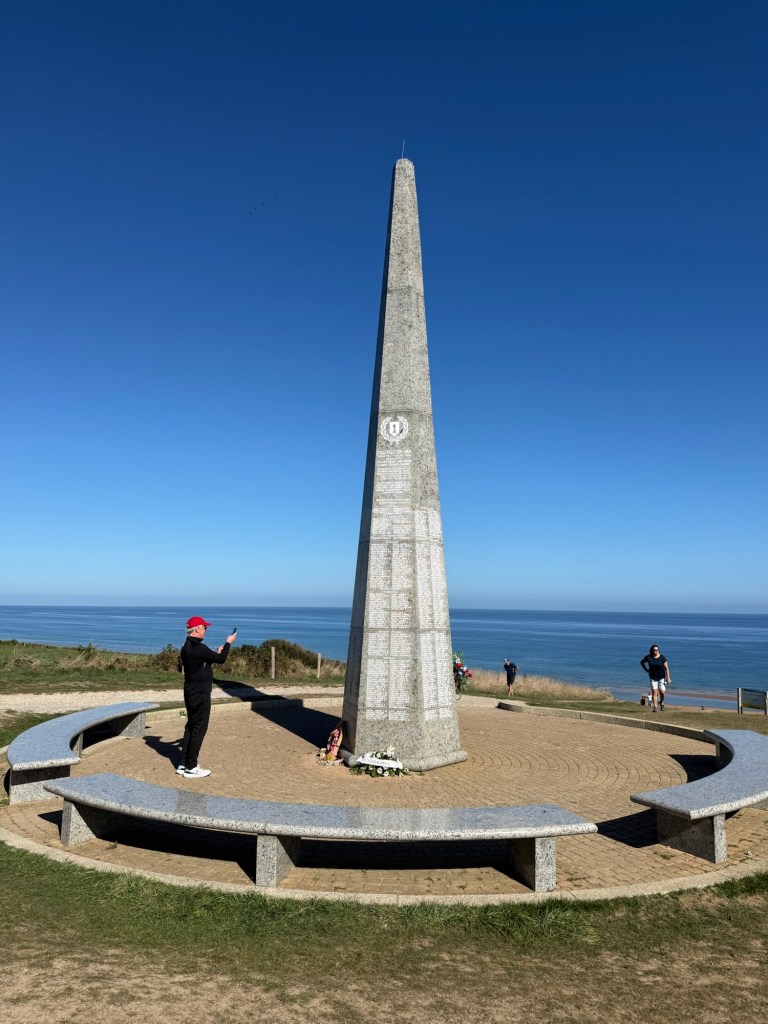
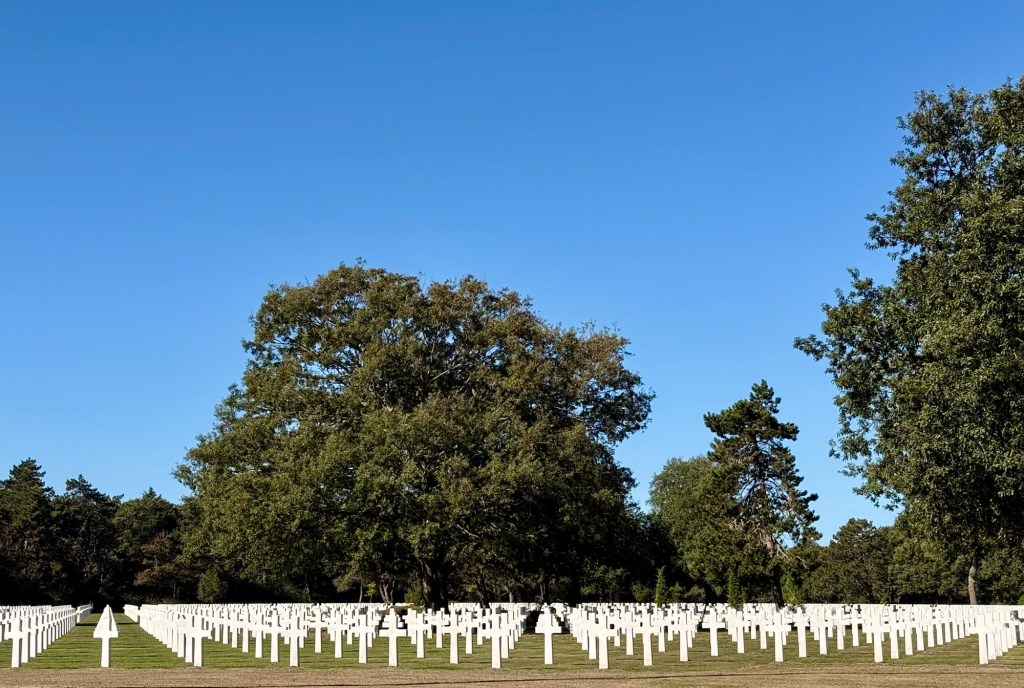
It was time to move on to our next stop which was the American Cemetery in Normandy. This was an extremely moving place, with grand outlooks over the beach head before reaching the cemetery itself.
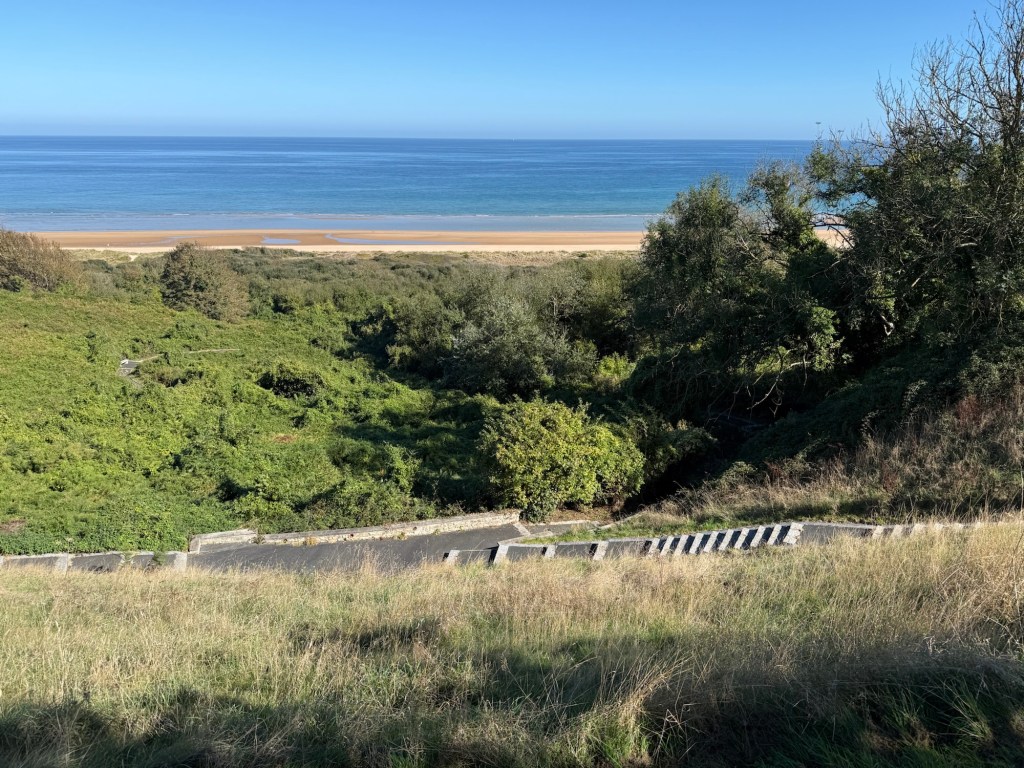
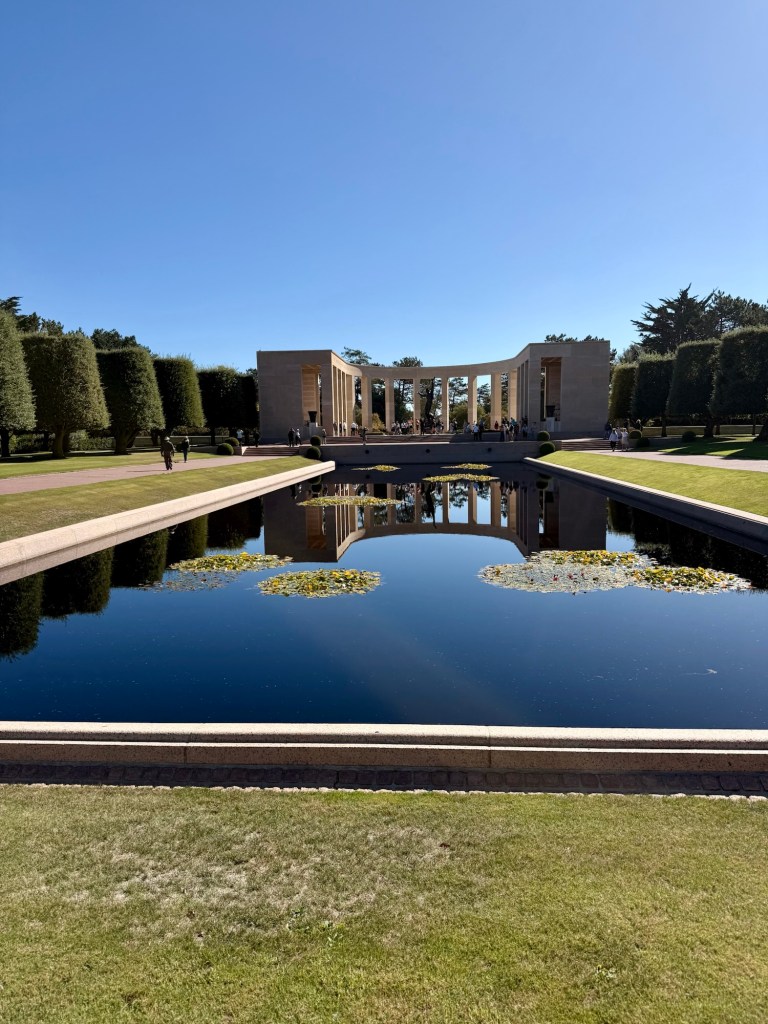
After this stop, we moved on to Arromanches-les-bains to see where the allied forces had constructed a deep water harbour for supply ships for this liberation. Both the US and British attempted to build 2 harbours by scuttling old ships, then topping them with concrete members floated across from England and finally building road ways along the breakwaters that could carry trucks to unload cargo supply ships. Soon after they began, they were hit with a terrible storm that destroyed most of the US harbour attempt, so they salvaged what they could to repair the British Harbour effort. This was a huge technological feat that was accomplished in mere weeks and enabled resupply to the allied forces for their liberation campaign.
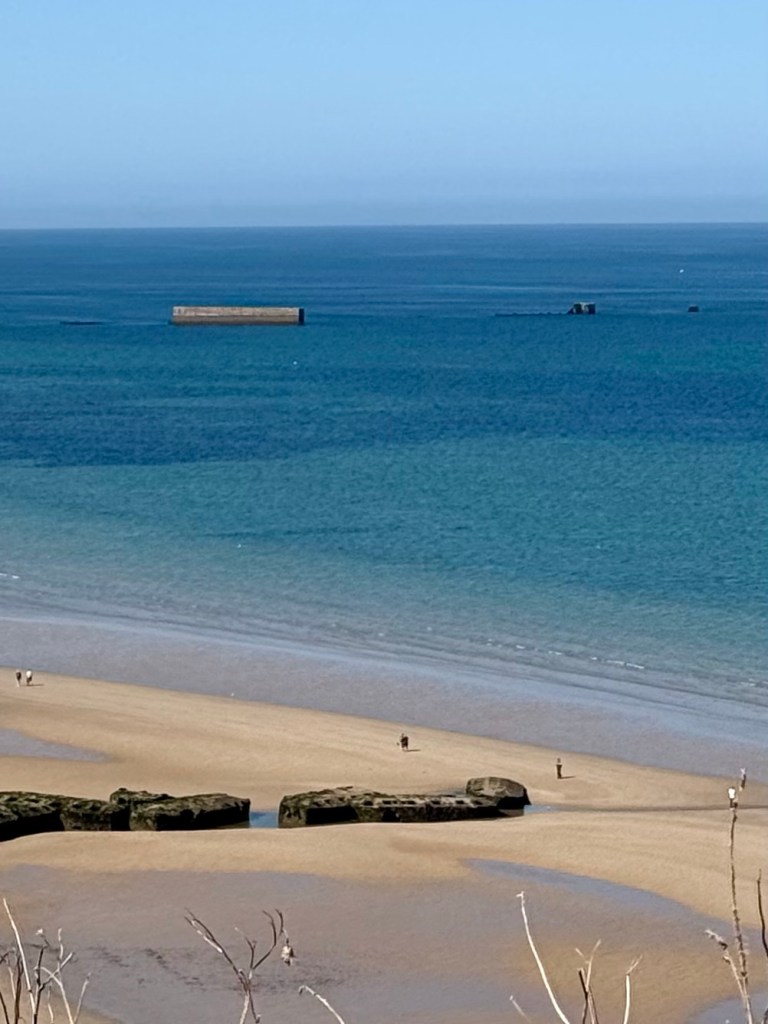
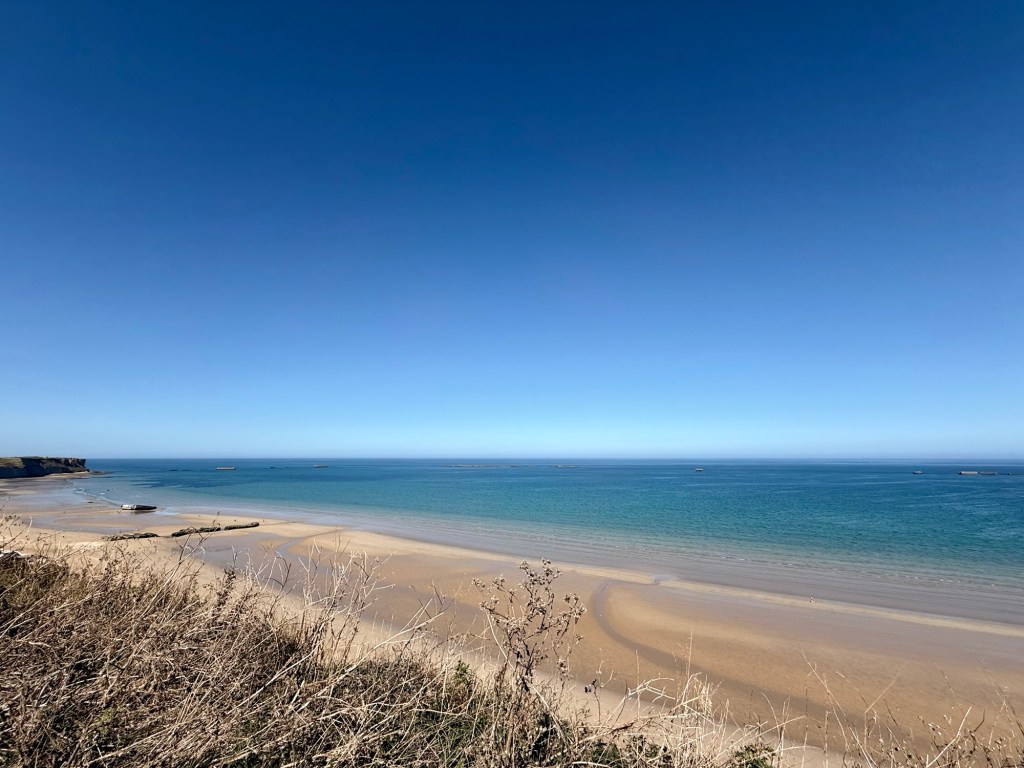
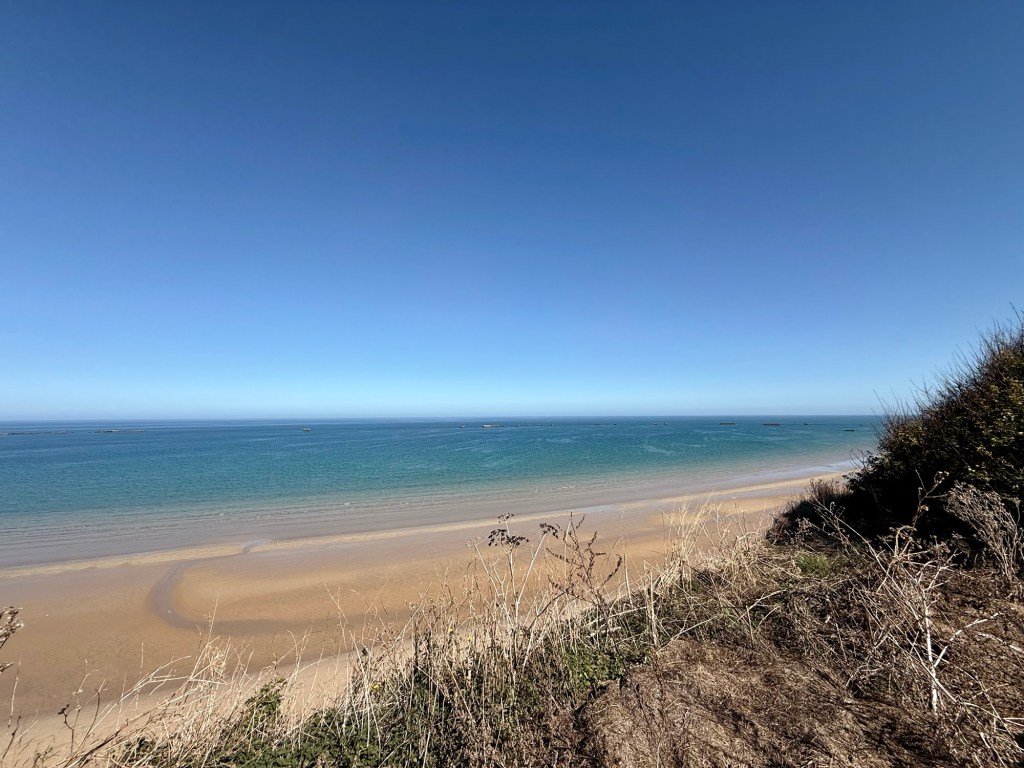
Just next to this harbour structure we found Gold Beach, the first of two landing sited for the British.
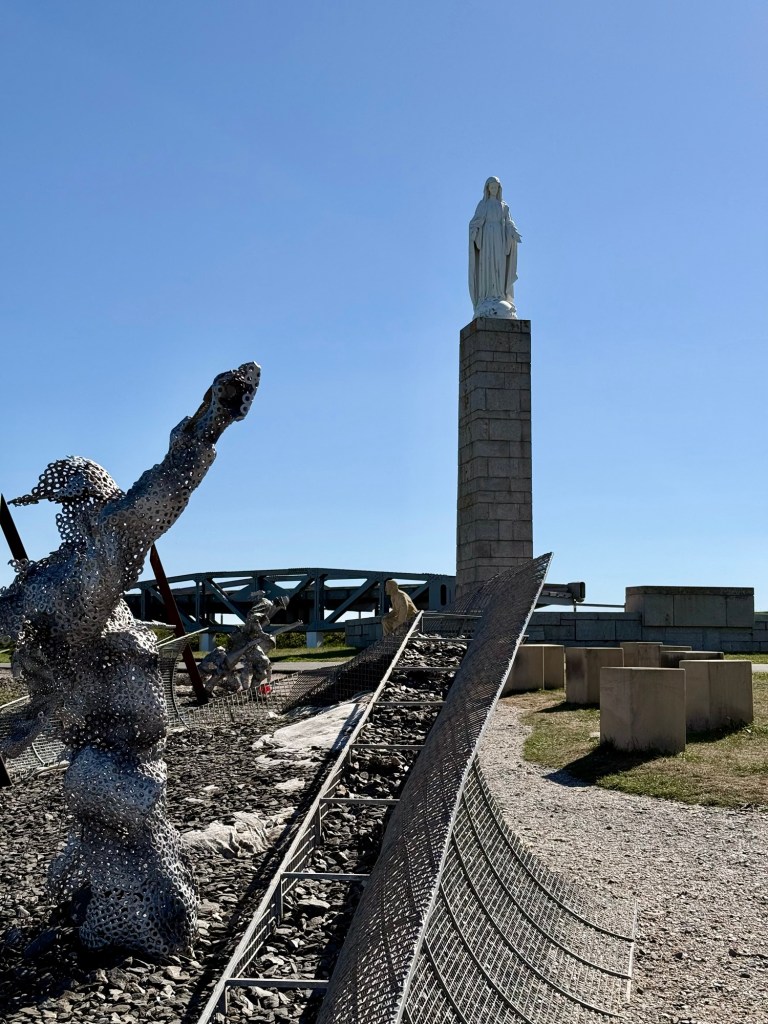
From Gold Beach we moved to Juno Beach. A very moving place for Canadians indeed. There Dan and I went through the Museum and explored not only Canada’s roll in D Day, but also their roll in other armed conflicts. I’m afraid we were both in tears at the end of the last presentation.
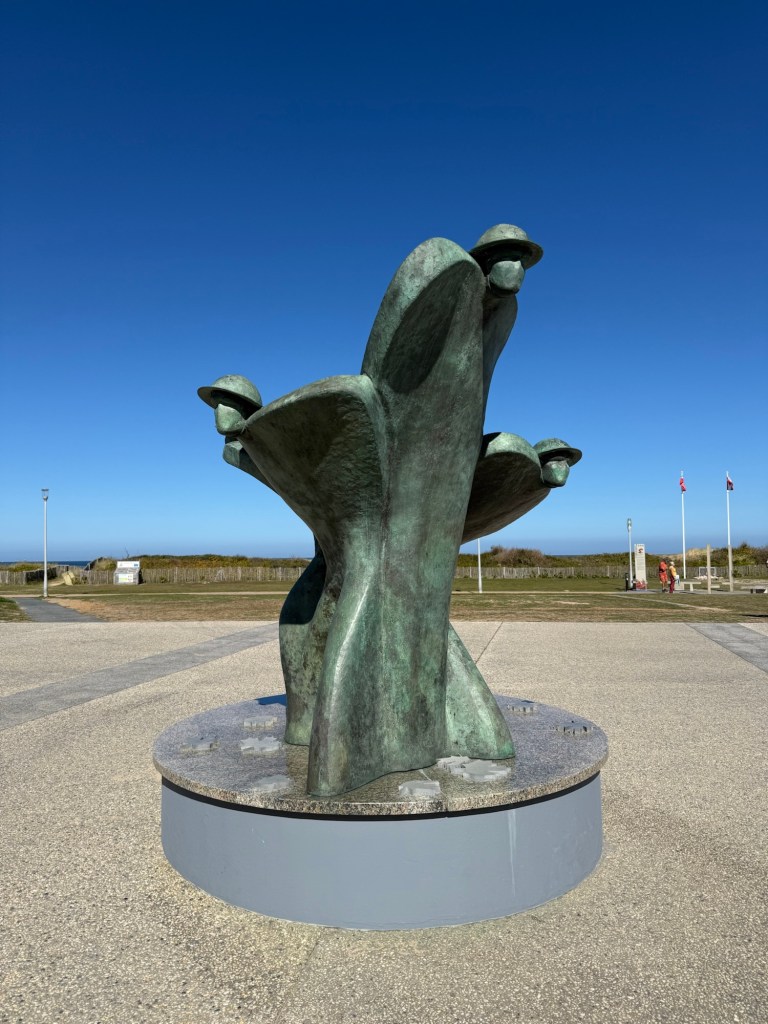
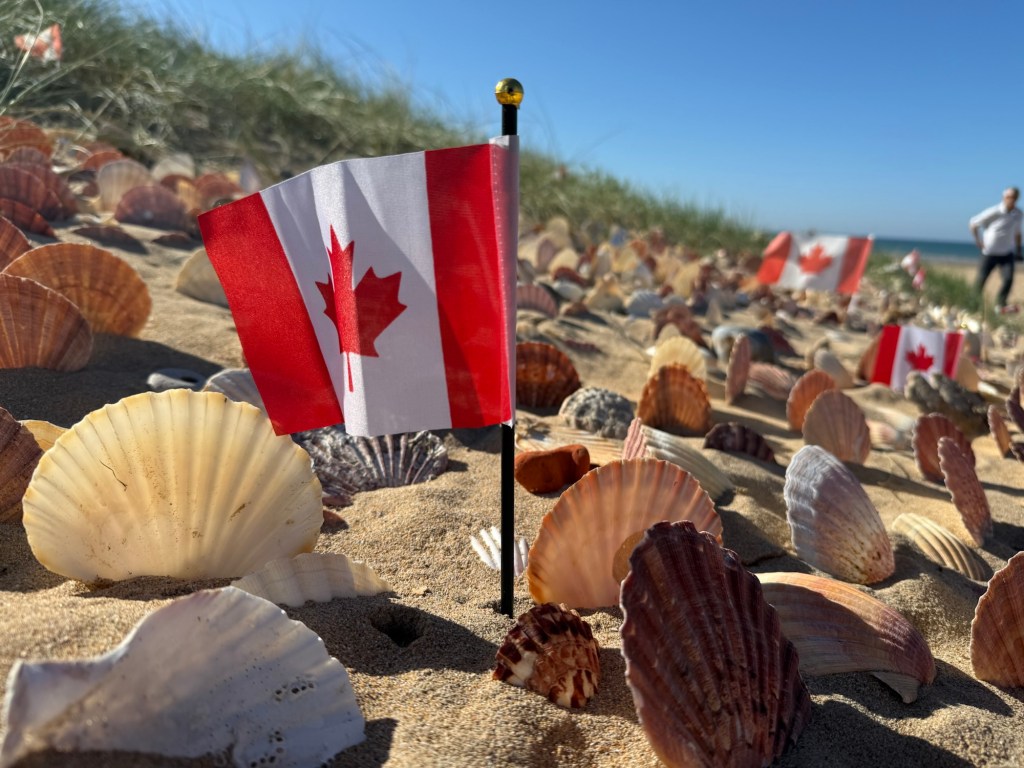
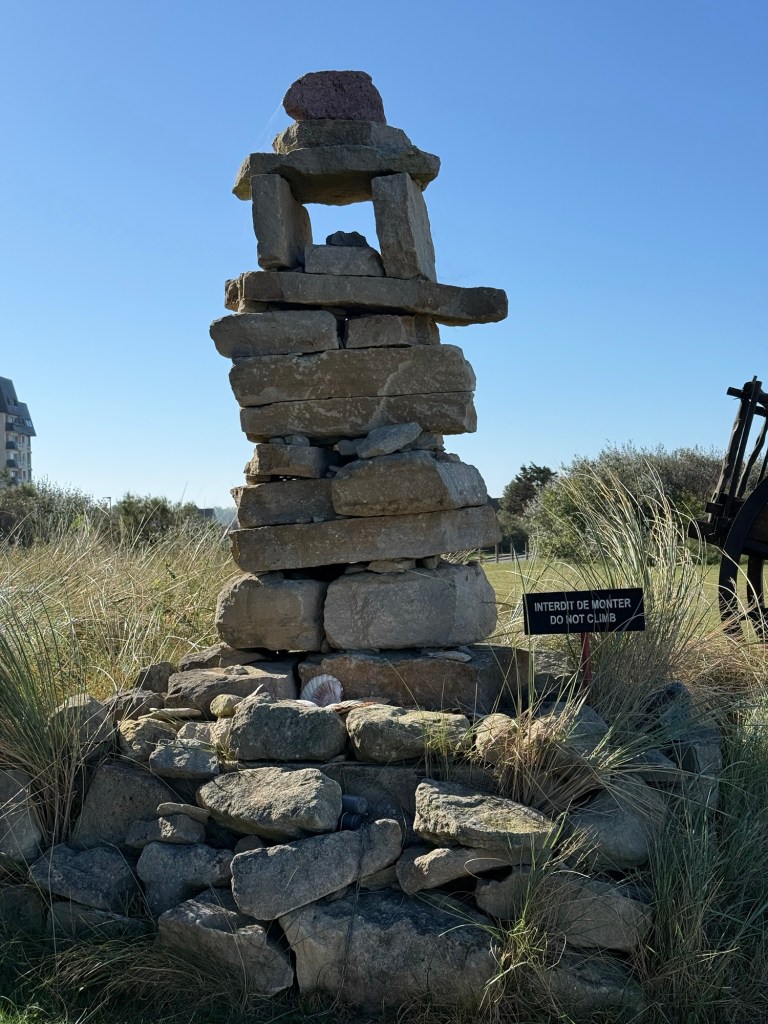
Outside the Juno Memorial Centre we walked to Juno Beach itself, When we got through the dunes to the sand of the beach we noticed wonderful tributes from thousands of people who had been before us. A simple attempt at saying thank you and we remember.
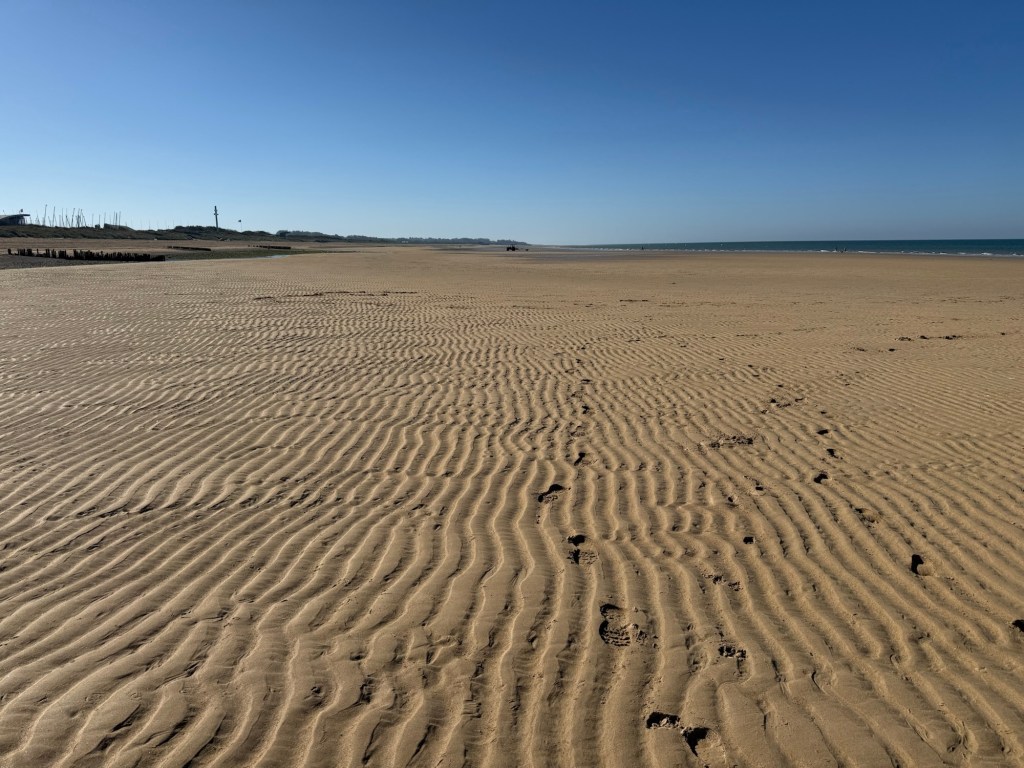
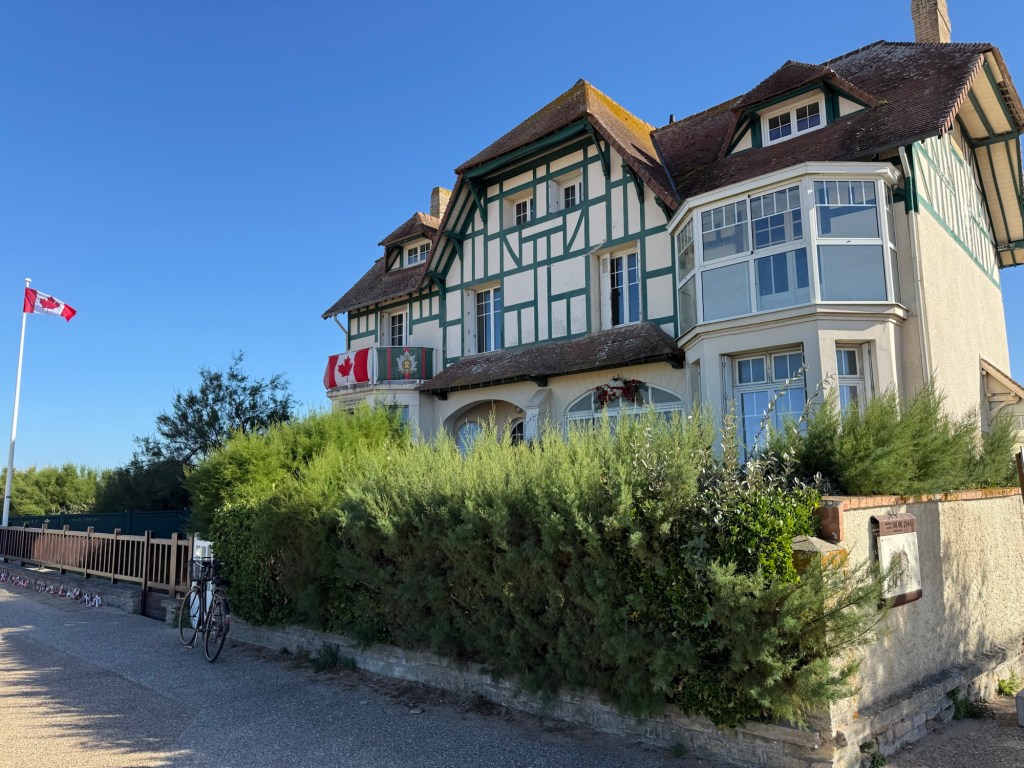
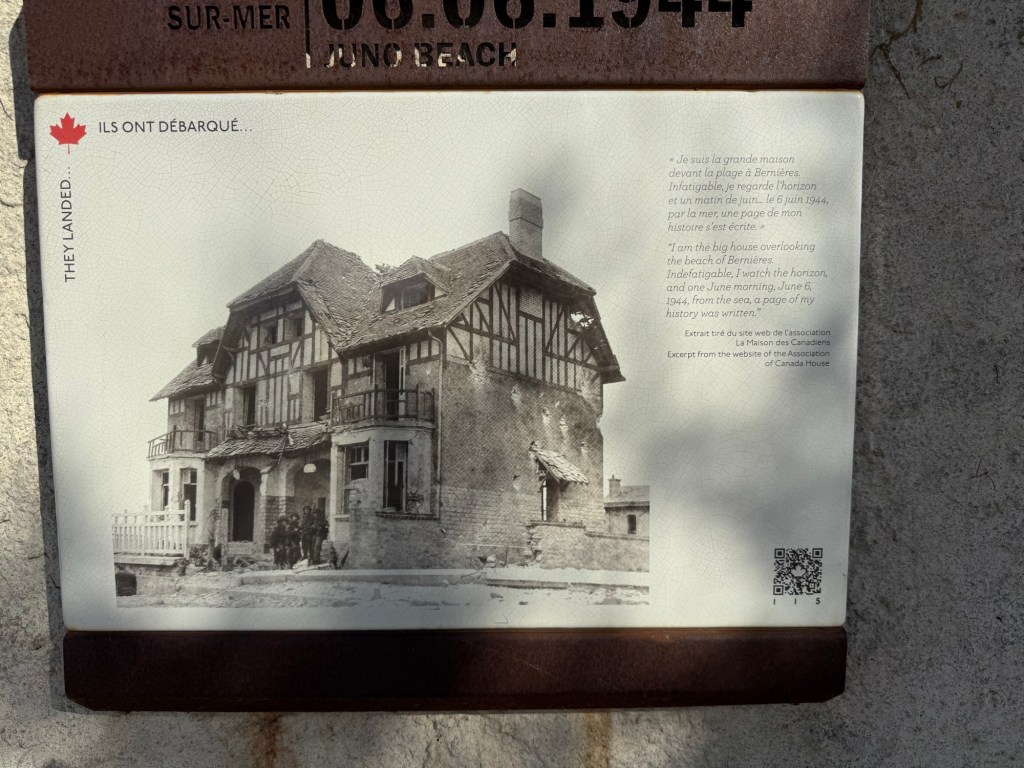
Close by, we also visited Canada House, felt to be the first house in France that was liberated by the Canadians.
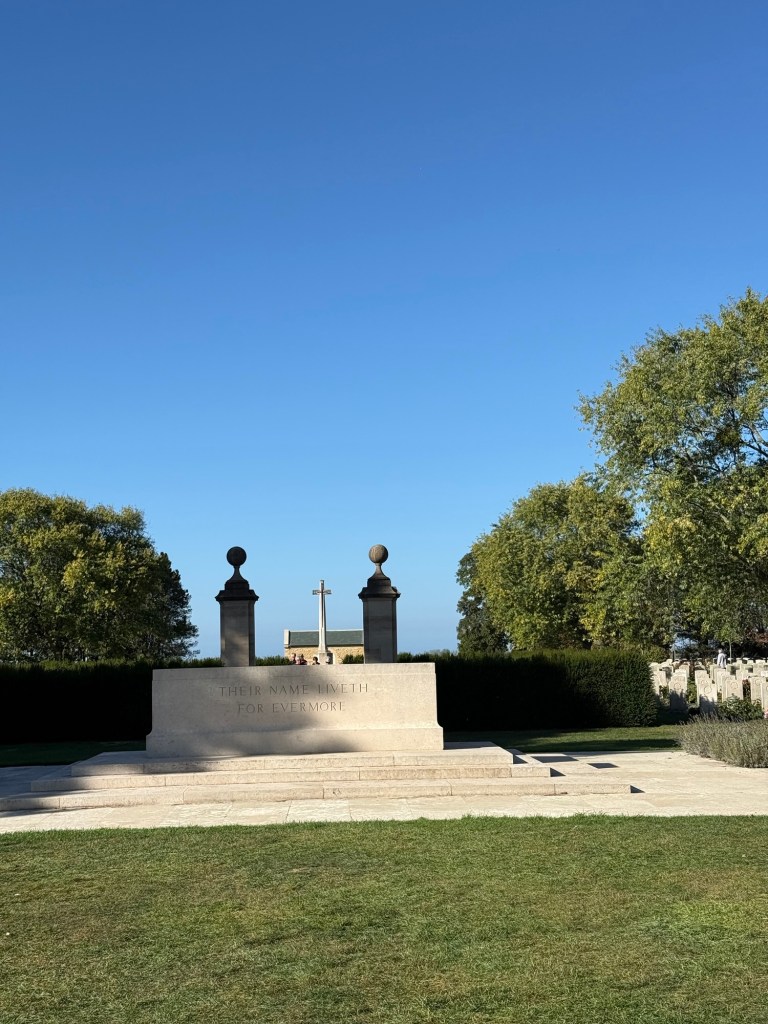
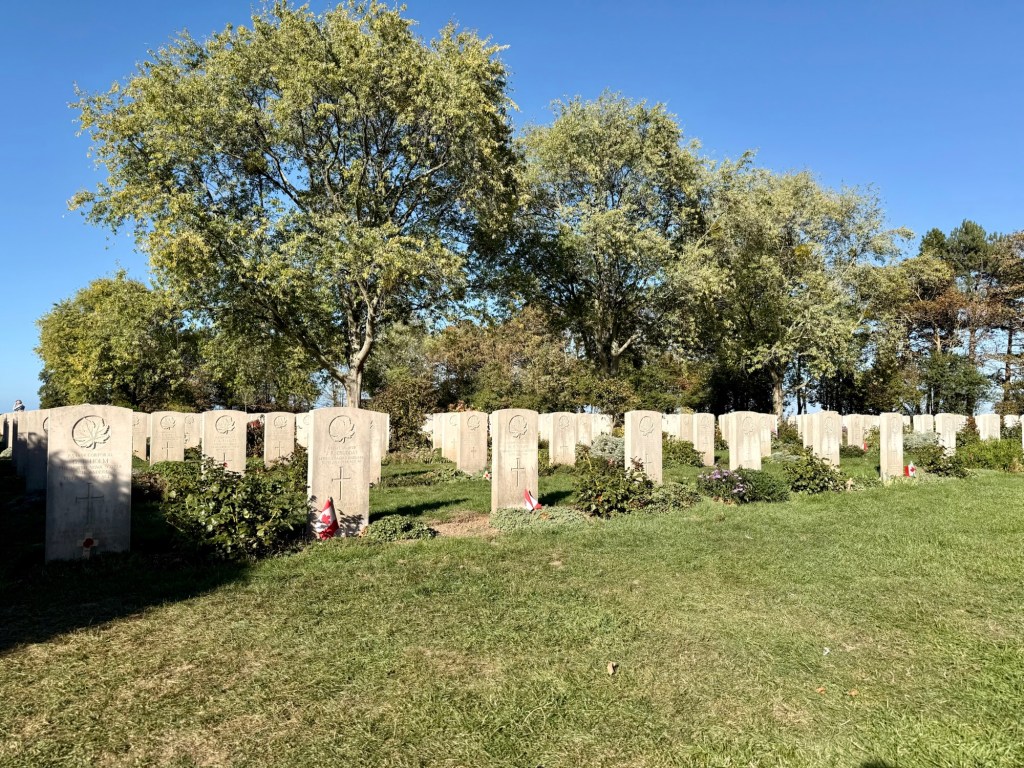
It was only fitting that our next stop was the Canadian Cemetery.
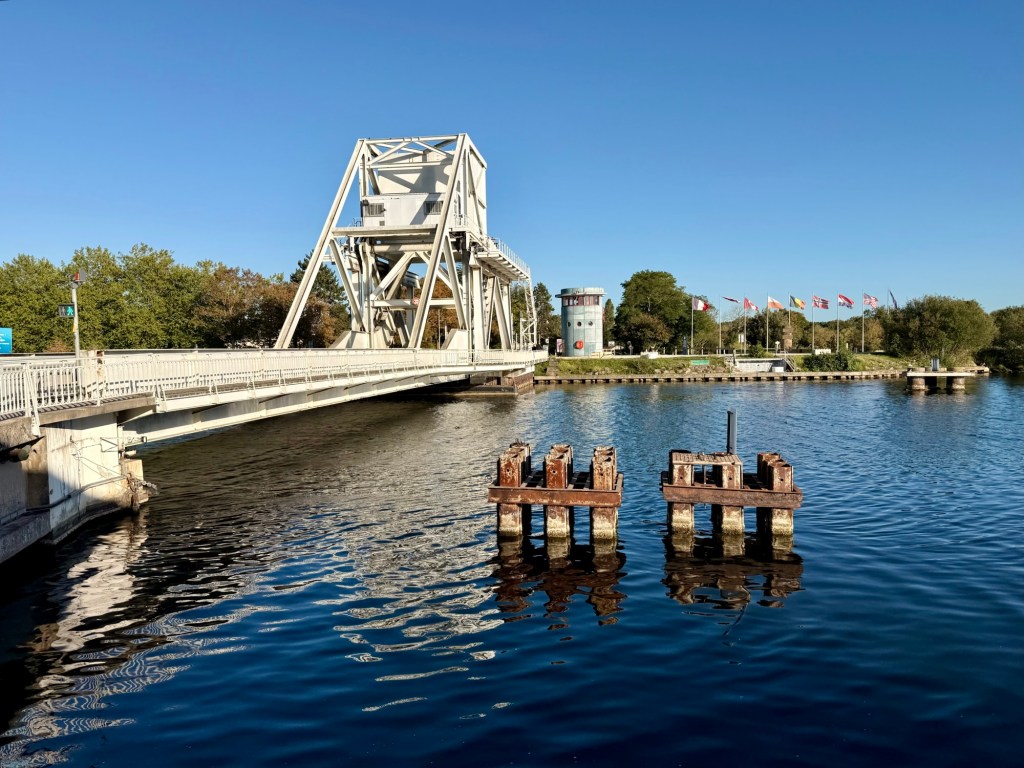
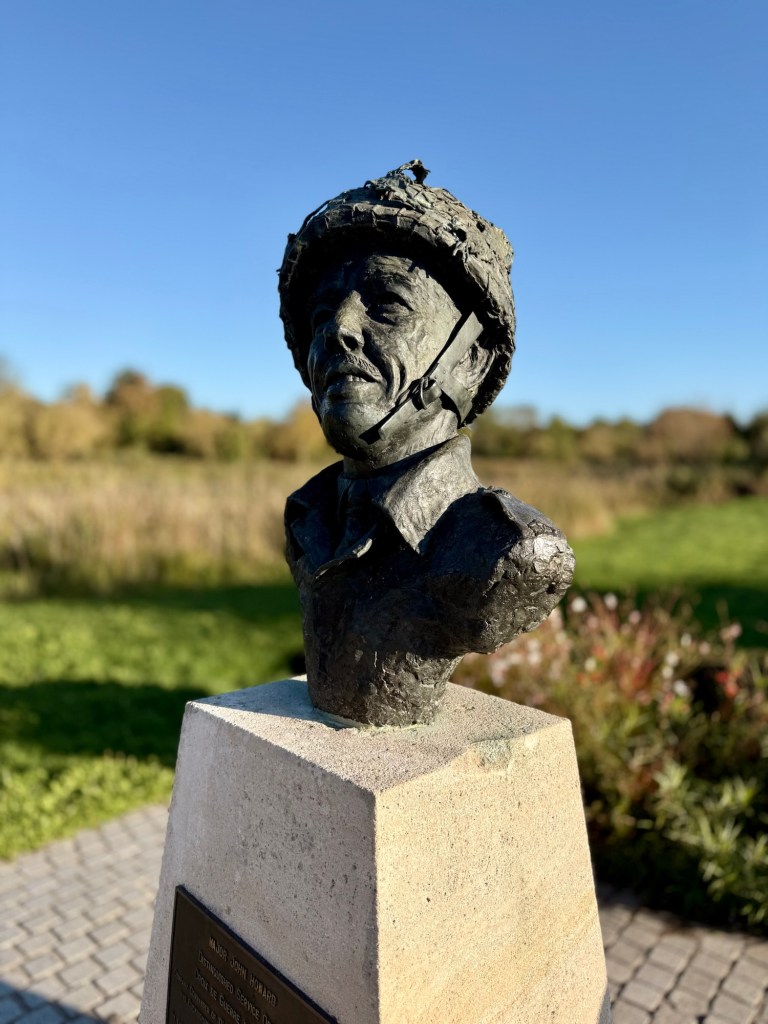
Our last stop for the day was Pegasus Bridge. This was the site of the first British soldiers who secured the eastern arm at 00:40 hours on June 6, 1944. 180 brave airmen flew in on gliders and landed next to 2 bridges over the Orne river and the Caen Canal. These bridges were felt to be very strategic, and had been laden with explosives ready to be destroyed and put out of commission for use by the allied forces.
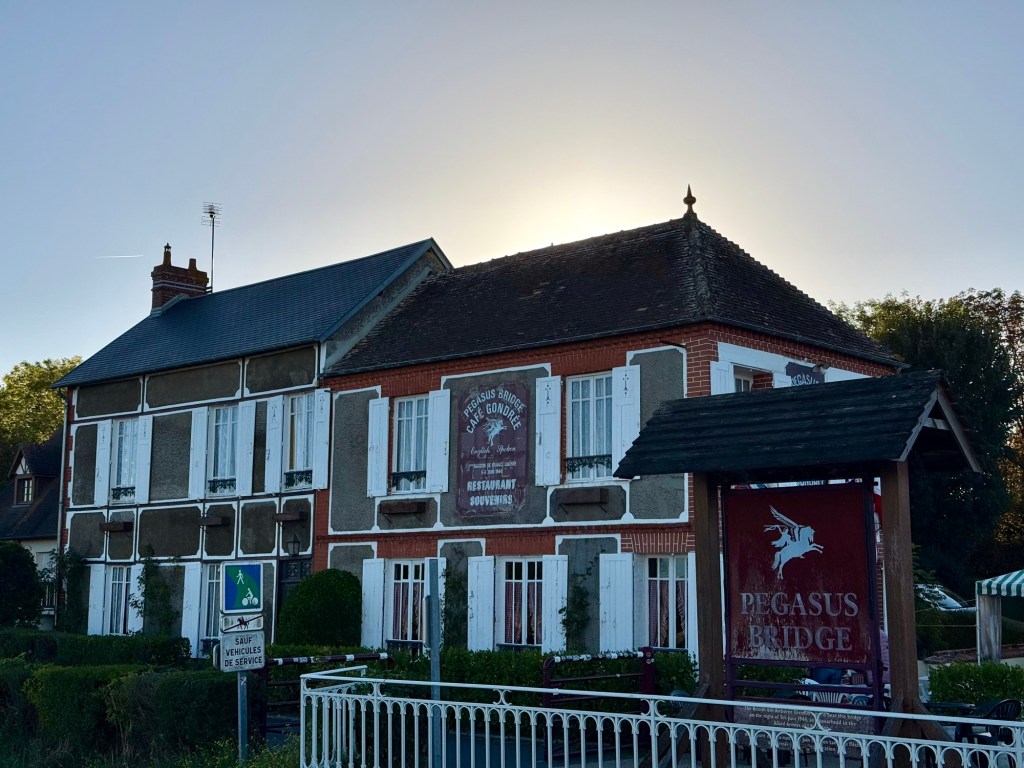
Beside the bridge stands the Gondree home. This was the first house liberated by the British in the wee hours of June 6, 1944
As the sun was starting to set we decided to call it a day for our Normandy Beach tour. It has been an incredibly moving and educational day for us both. Now it’s time for dinner and some rest! Tomorrow, we are off to Mont Saint Michel. Until Then!



Leave a Reply