
We got an early start today as we were heading into Belgium for the day to spend it exploring the battle sites around Ypres and Passchendaele.
Our first stop was Essex Farm. The medic centre and battleground where John Macrae wrote “In Flanders Fields”. John wrote this after seeing his best friend buried here after he was gassed and killed.
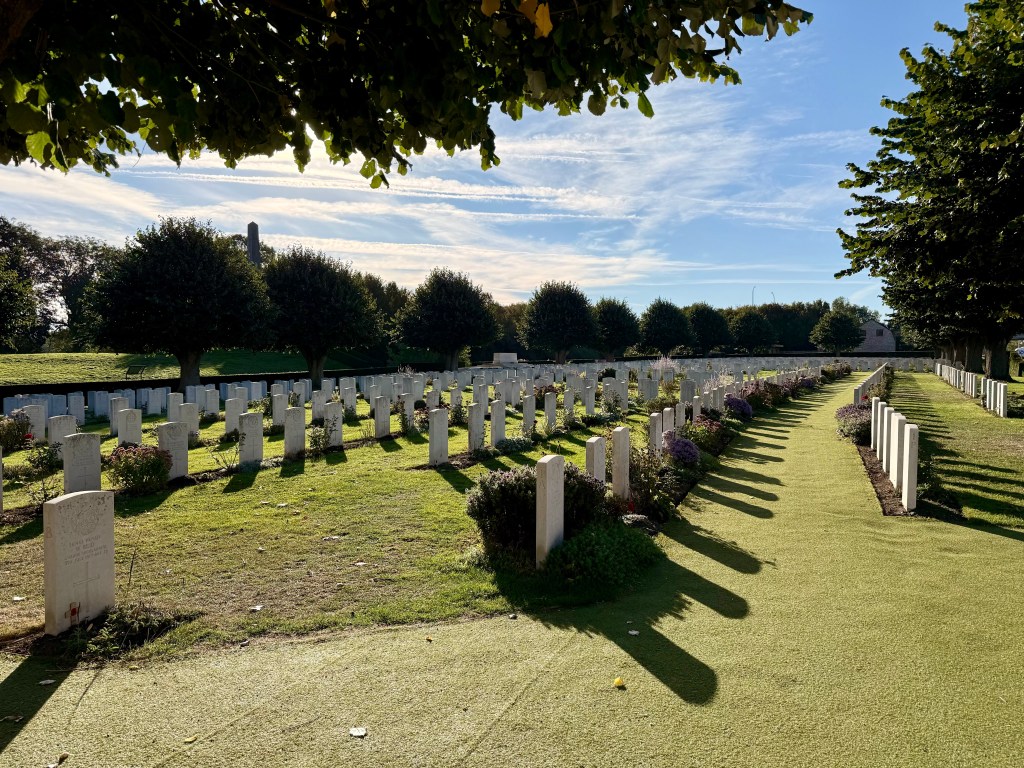
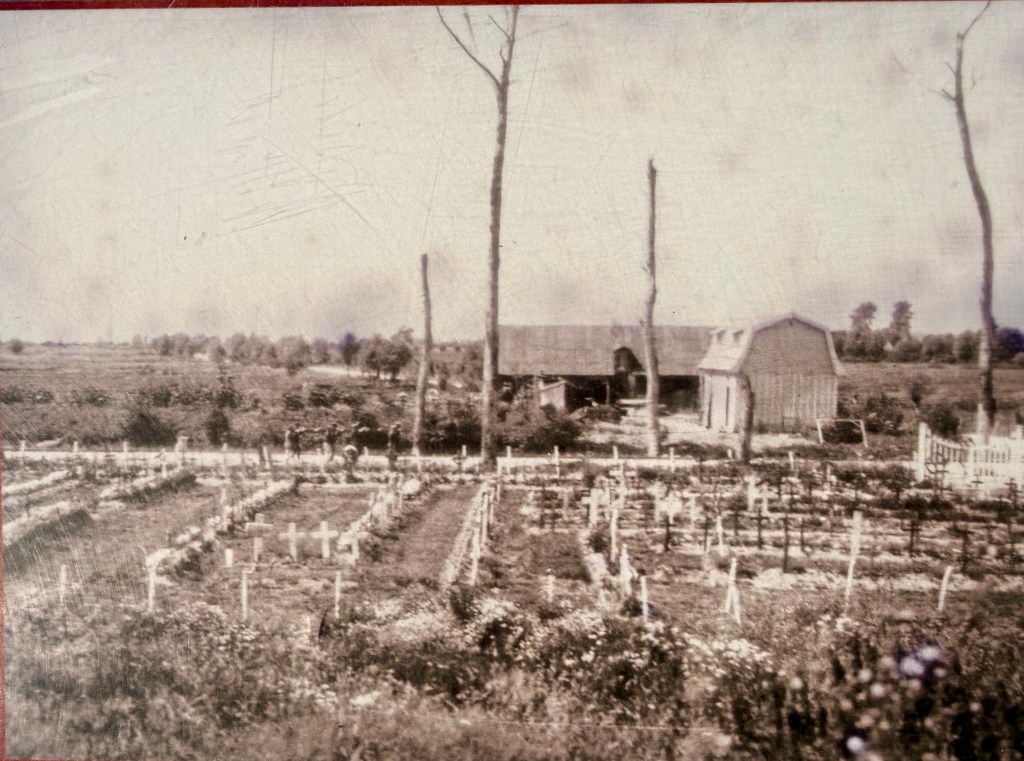
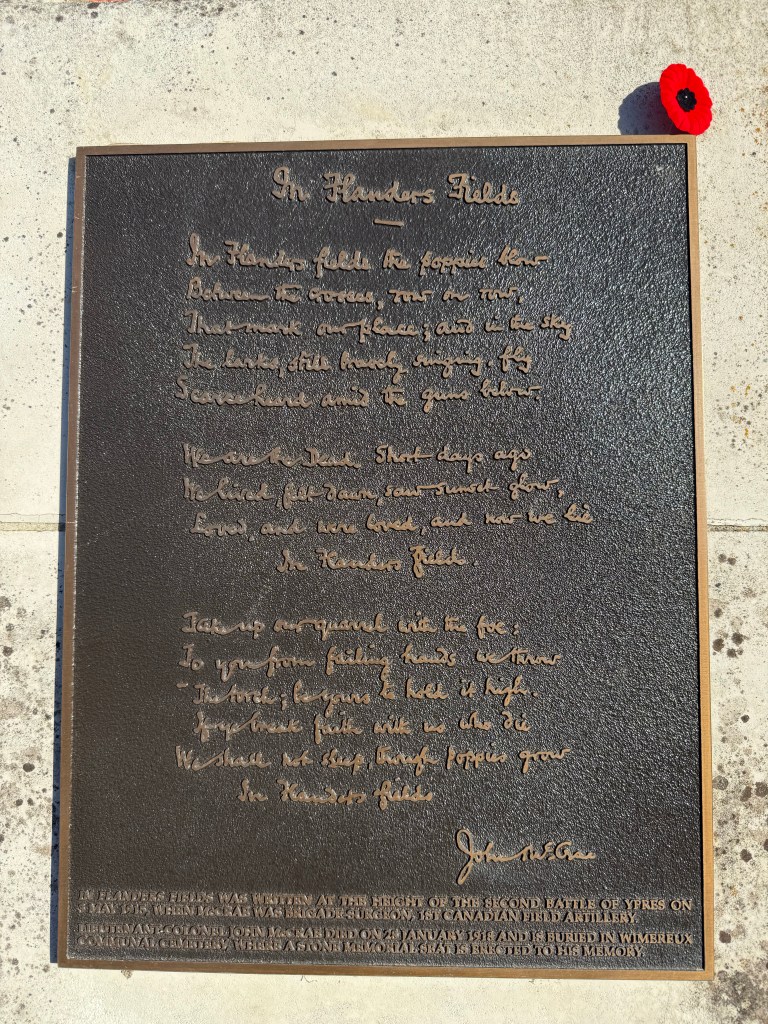
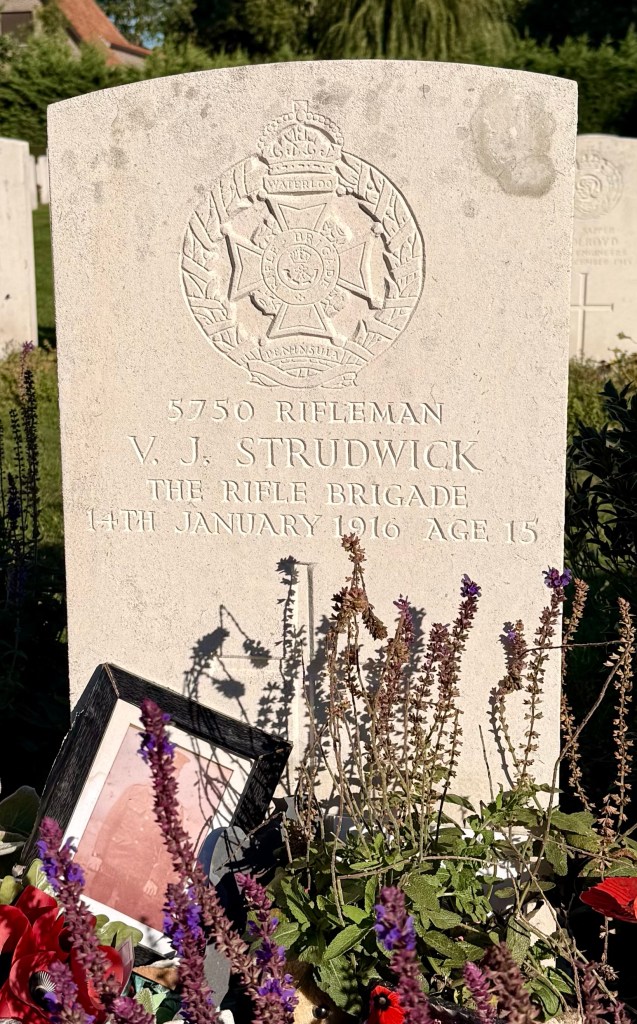
As we walked through the cemetery we found the grave of a young man who joined when he was 14, well underage. His was killed at the age of 15!
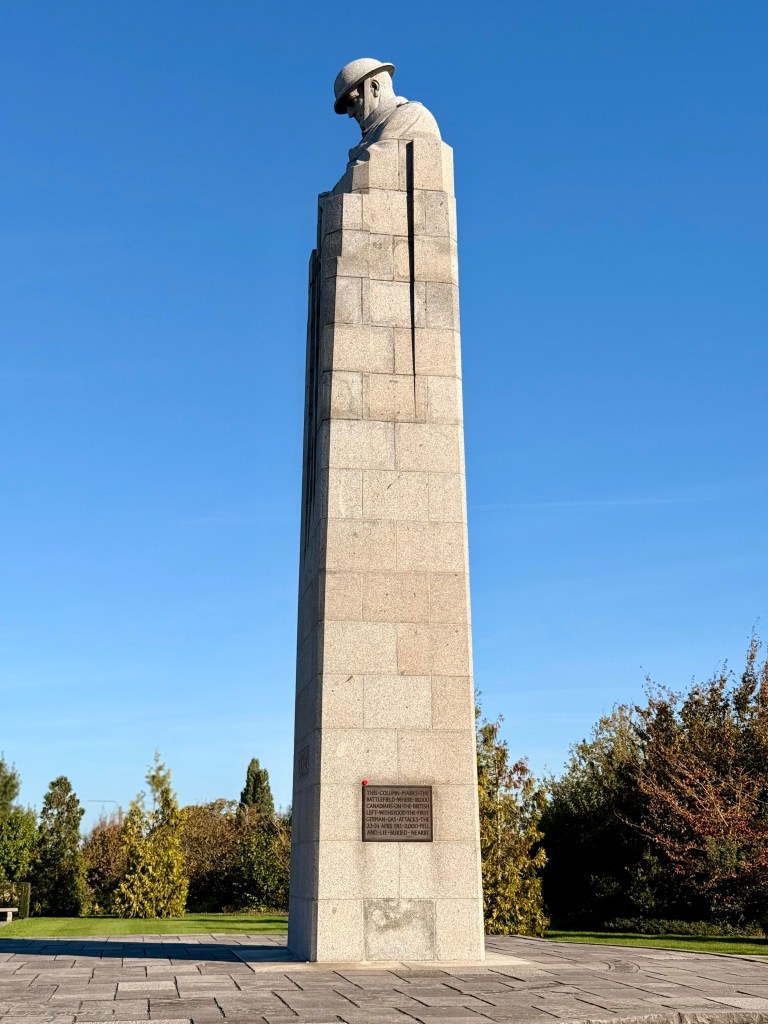
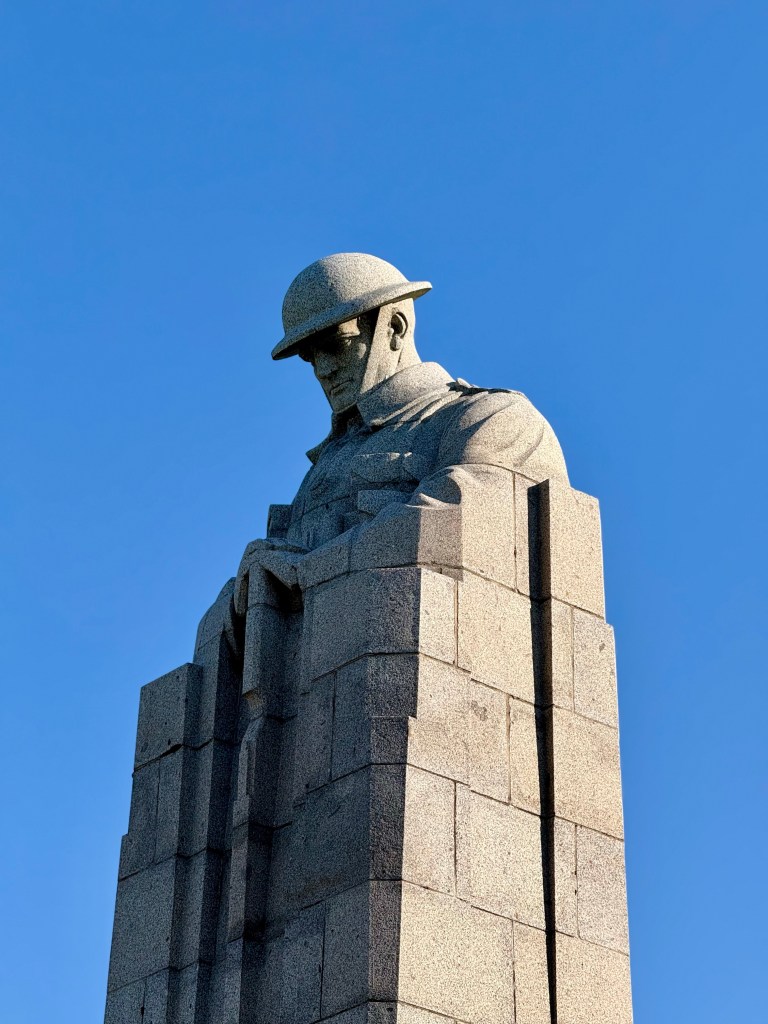
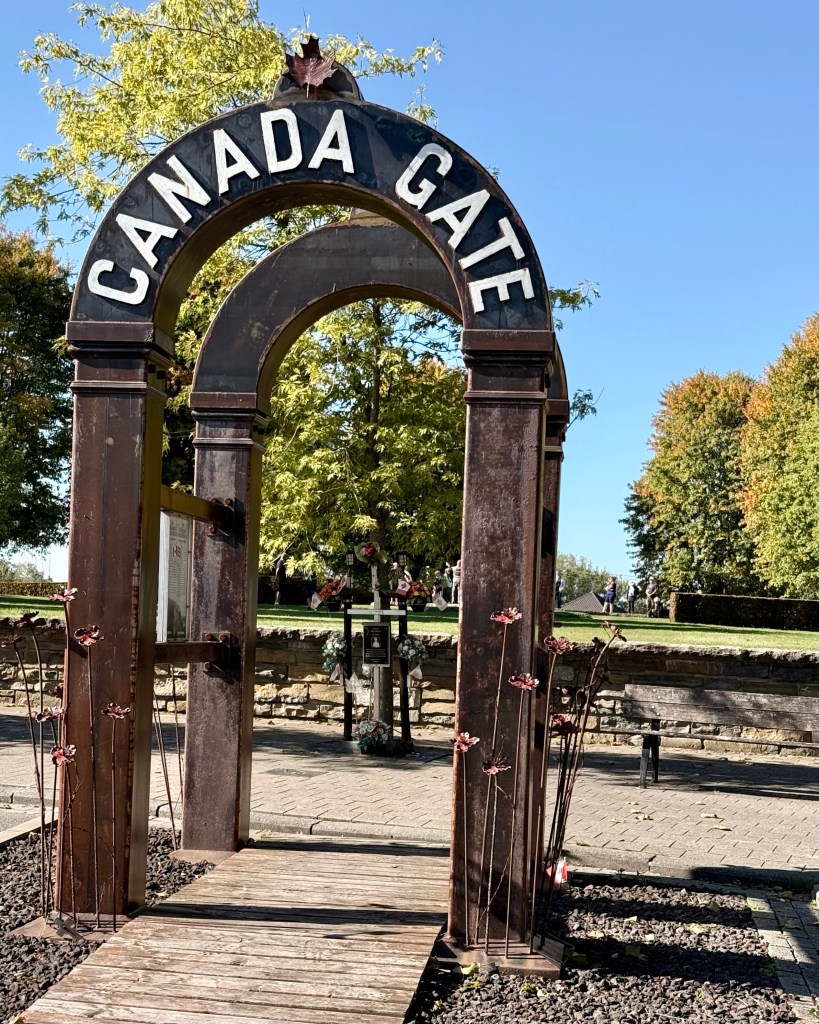
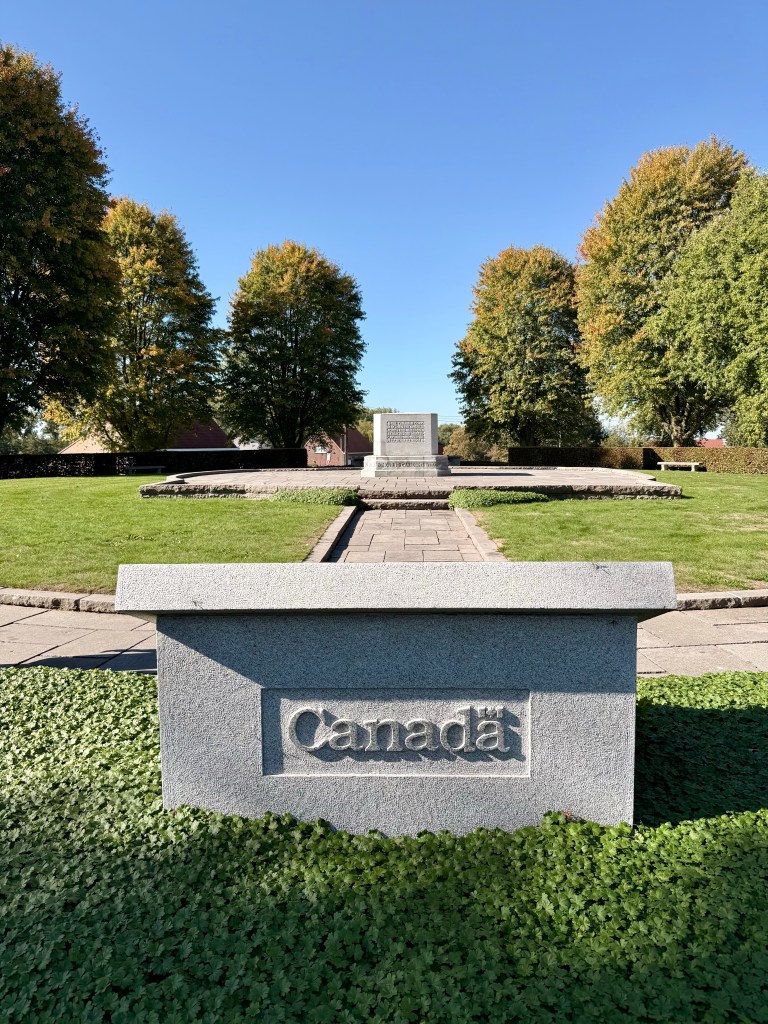
From Essex Farm we headed to the the Julien Memorial. Here stands “The Brooding Soldier”, commemorating the some 2,000 Canadians killed, another 4.000 injured from the 18,000 who fought here. This is where the 1st Canadian division faced the first large scale gas attacks by the Germans on the western front.
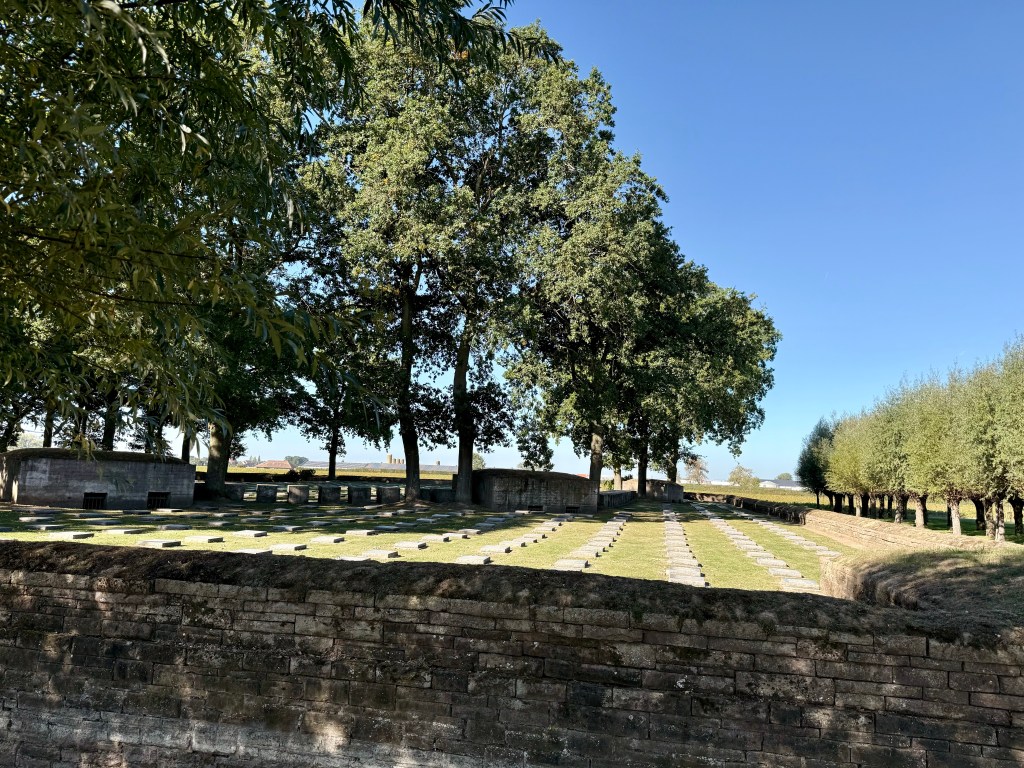
From here we travelled to the largest German gravesite at Langemark where over 40,000 are buried, some 24,000 in a mass grave as the body parts were unidentifiable.
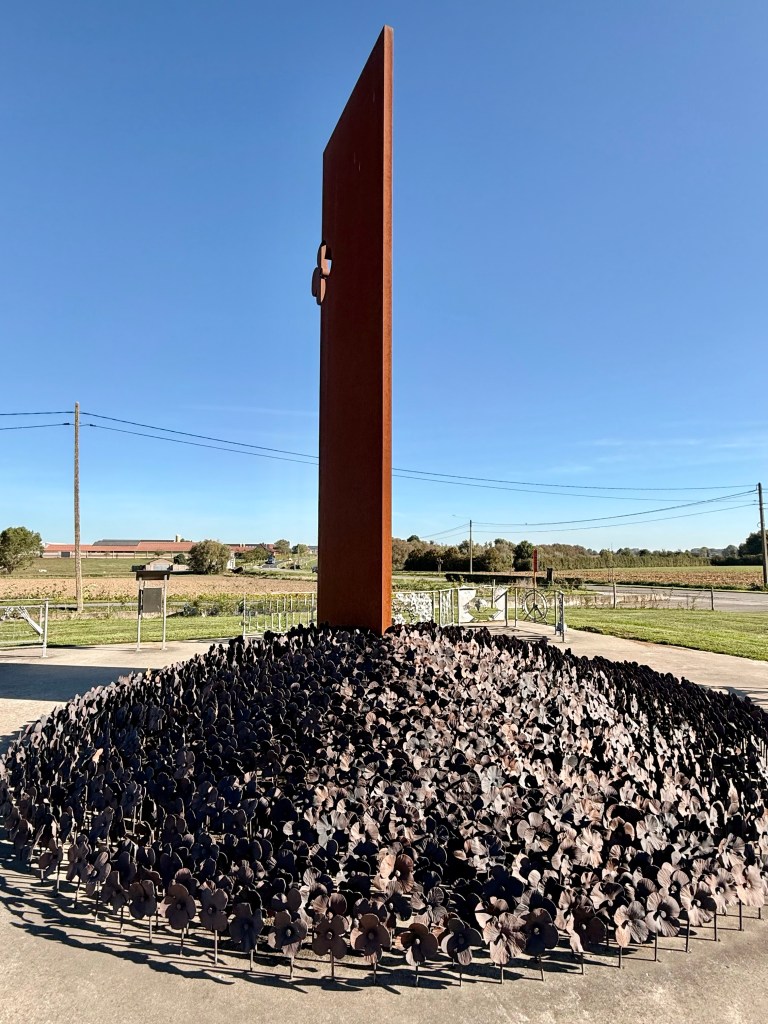
From here we travelled to the Paschedale Canada Memorial. This honors the Canadians who fought valiantly to take back the town of Pachendale and capture the dominating ridge here.
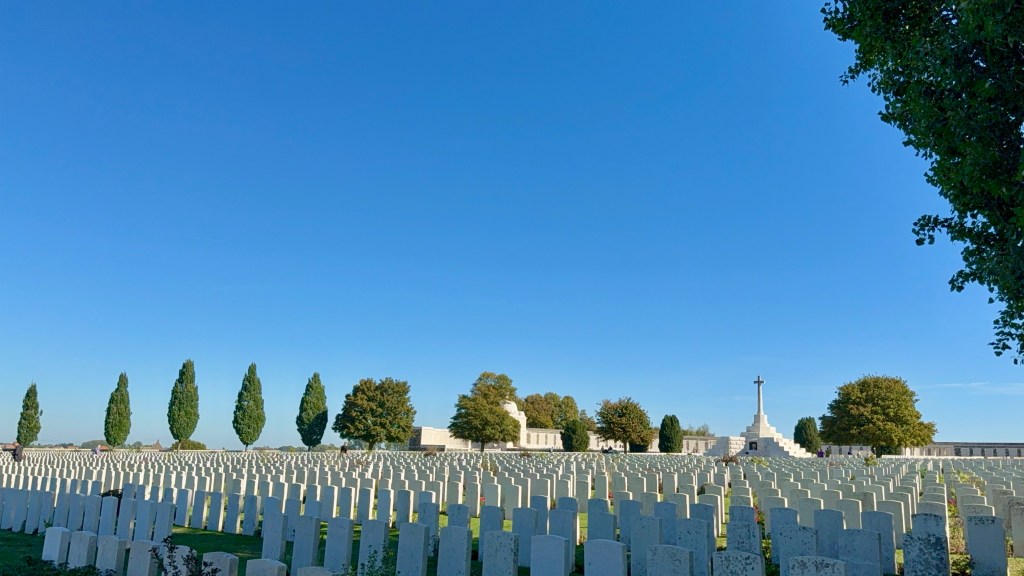
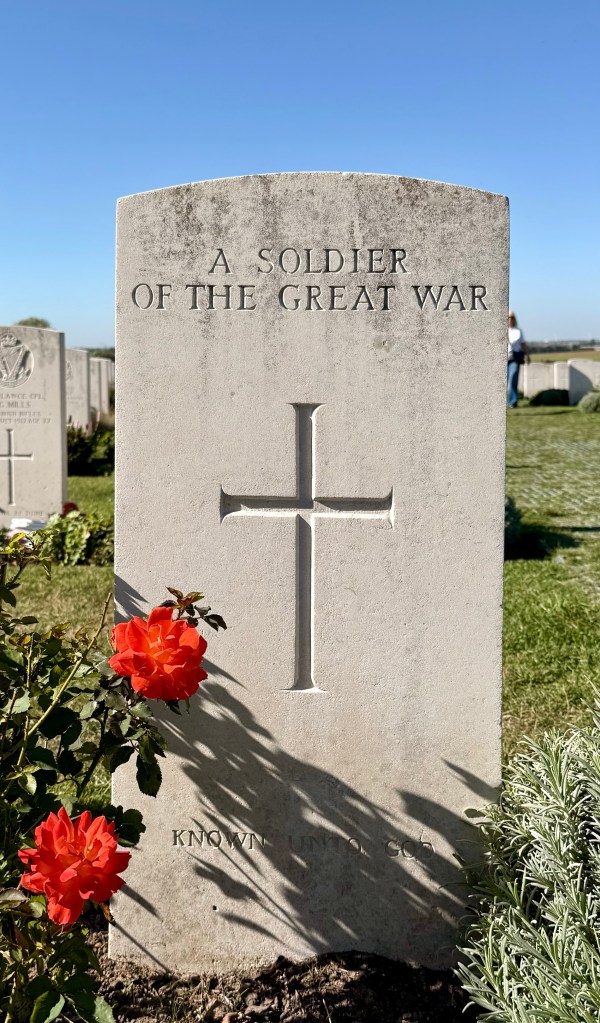
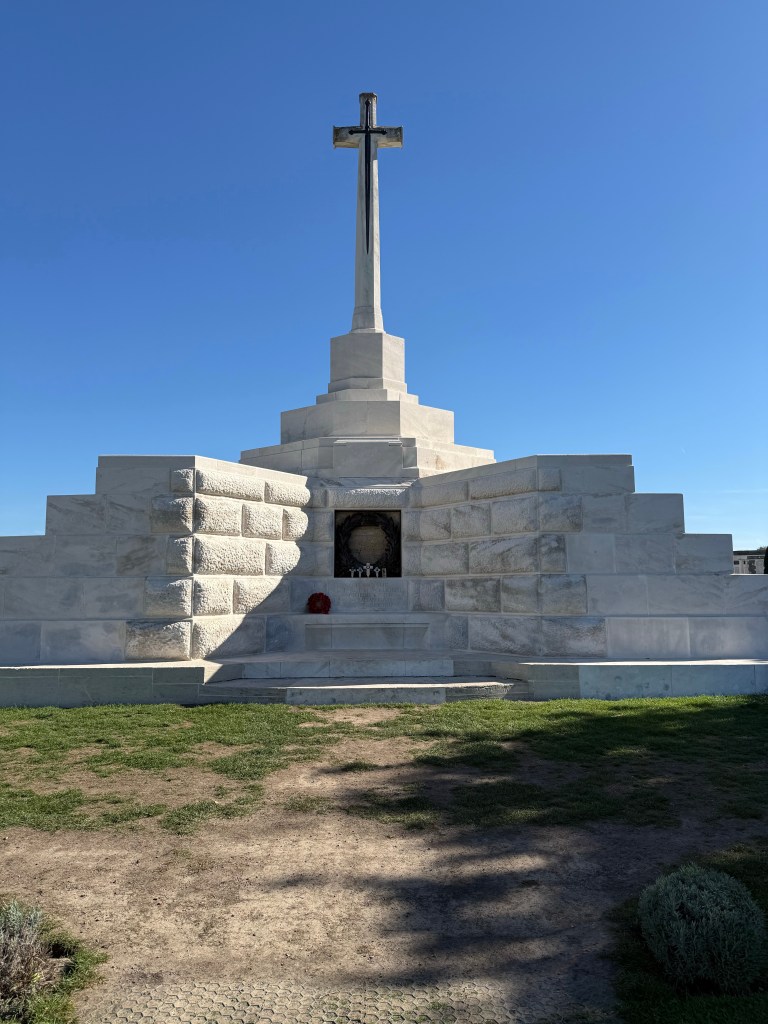
Our next visit was to the Tyne Cot Memorial, the largest Commonwealth gravesite in Europe. As we approached the visitors centre there was a woman’s voice reading the names of the fallen, piped through the entrance way and visitors centre. They will never be forgotten.
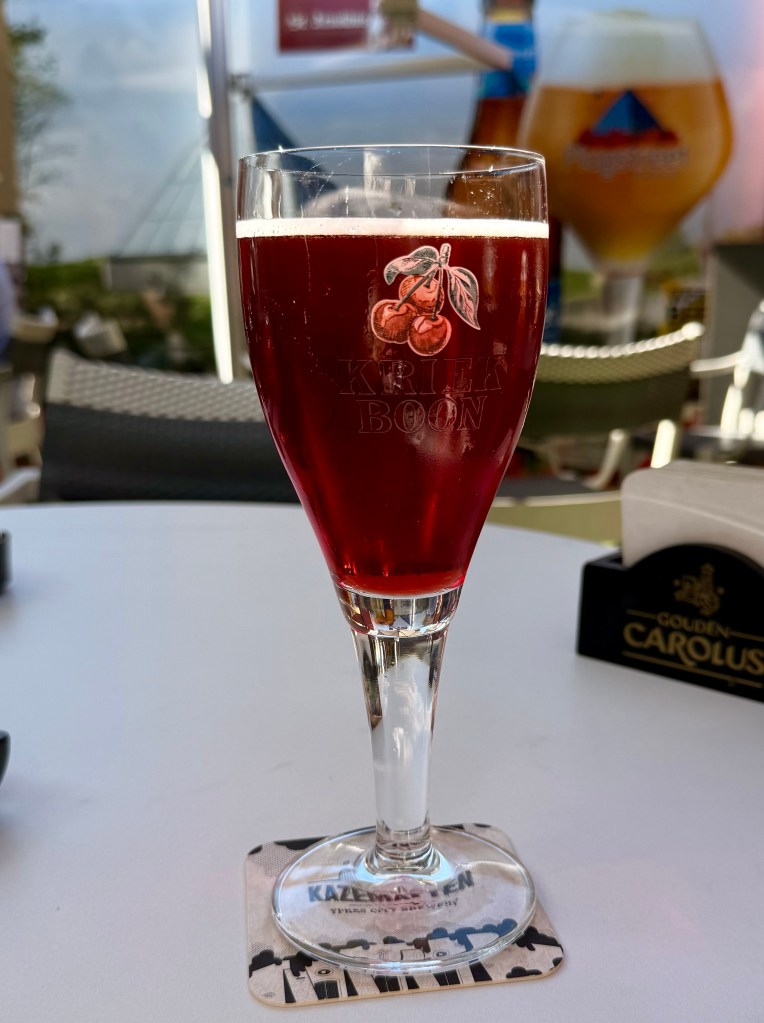
This was our last stop of the morning so we headed into Ypres for lunch. We found a great little pub with 28 beers on tap! It is Belgium after all! Dan chose a light one as he was driving, but I tried one at the bartenders recommendation which has some cherry notes. Very interesting indeed!
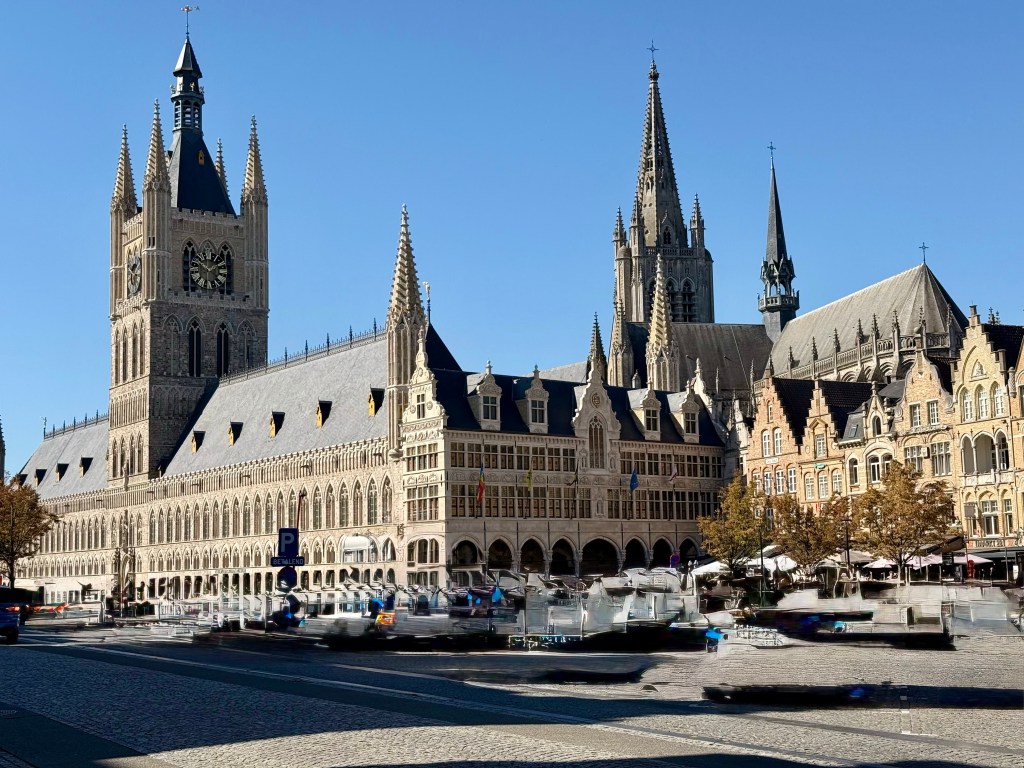
After lunch we took a stroll around the old market. Beautifully restored Gothic architecture. Just look at this Cloth House!
After lunch and a short walk around the town centre we were off once again to explore some memorials before returning to Ypres for the memorial service at the Menin Gate.
Our first stop was the site of the famous Christmas Truce at Prouse’s Farm. Here we saw some interesting memorials
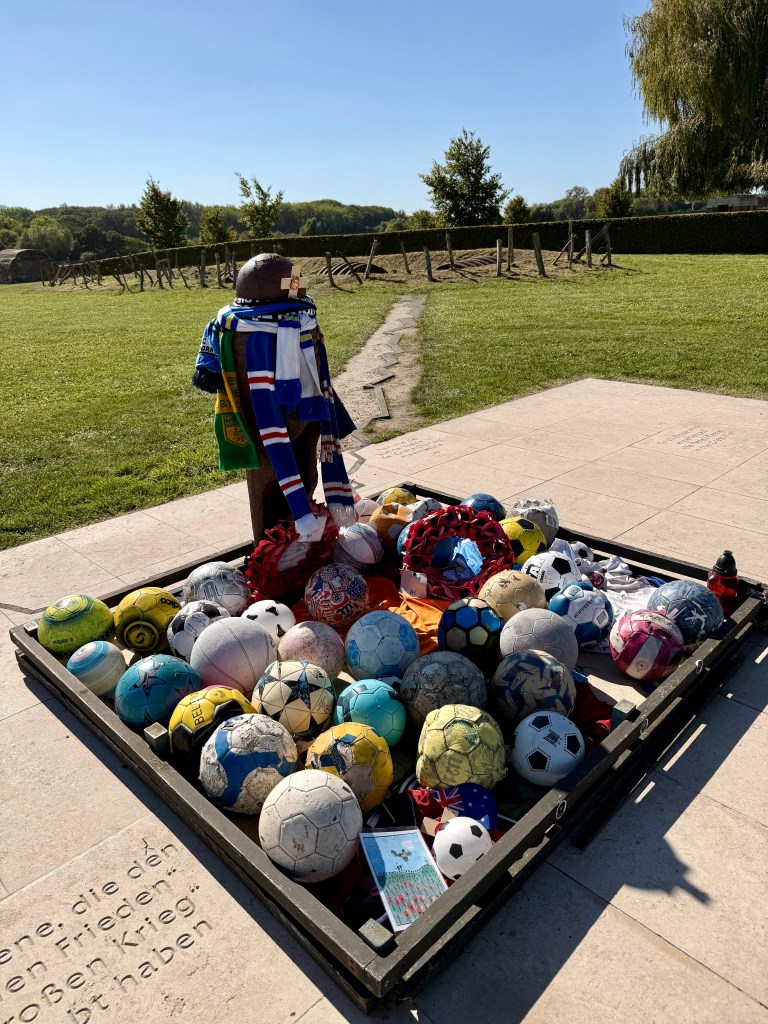
We then meandered down a small farm track road and came to a cemetery named Toronto Avenue. We were curious about the name, thinking there would be some Canadian here.
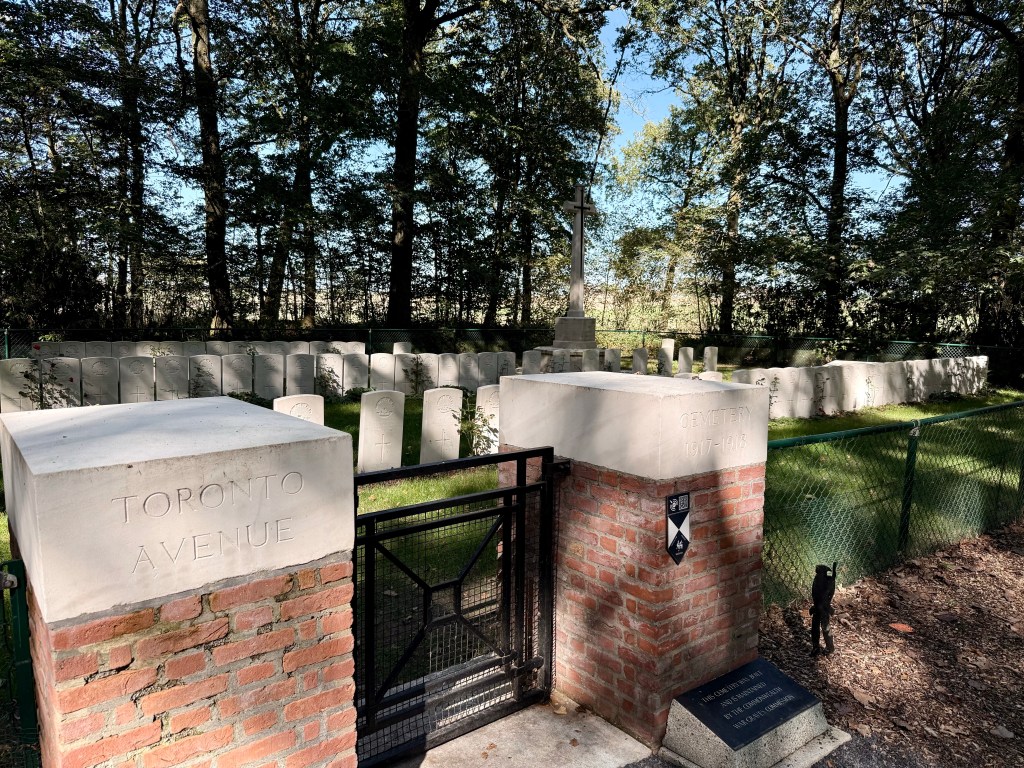
which they were fighting. Each trench was given a street name, and the one this group was fighting from was Toronto Avenue
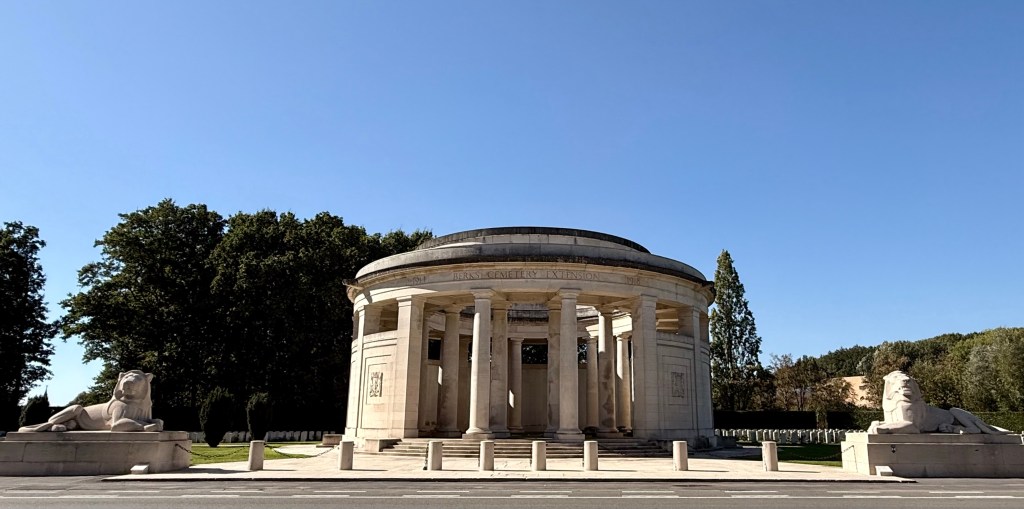
As we followed the farm track out to what we thought was a visitors centre, we found this memorial to the fallen and lost soldiers from Australia and New Zealand.
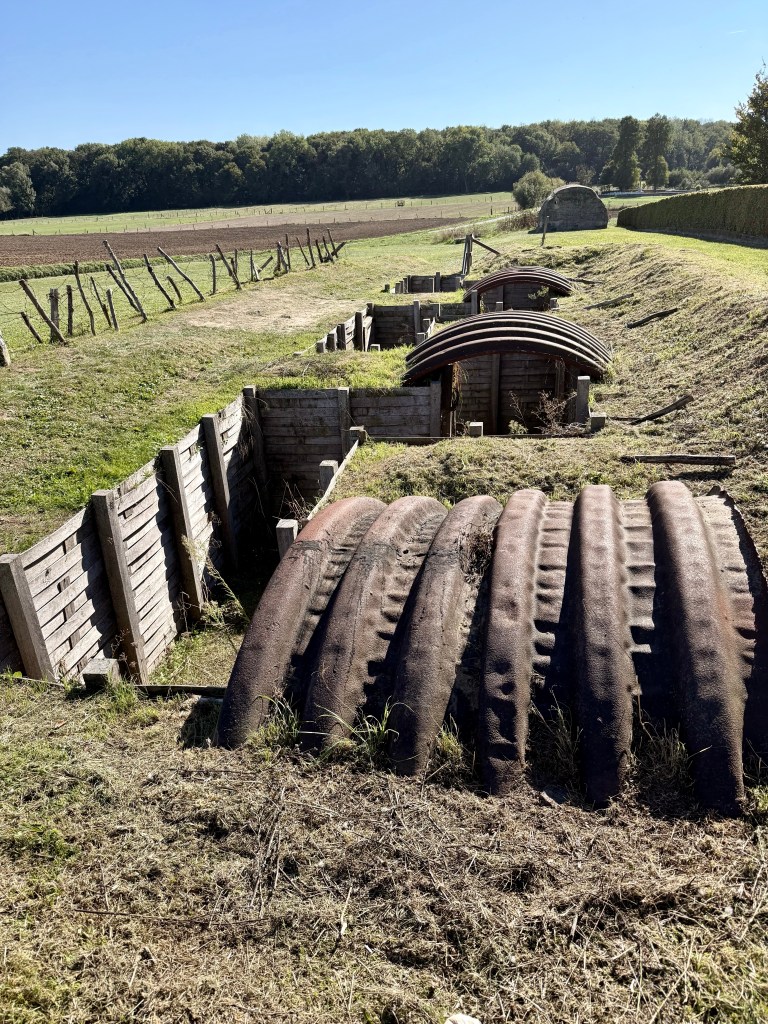
Time for one more stop before heading back to Ypres for dinner and the memorial service. We headed off for Sanctuary Wood. The Sanctuary Wood (Hill 62) memorial and museum complex near Ypres, Belgium, is significant because it marks the site of the Battle of Mount Sorrel in 1916—the first major planned offensive operation undertaken by Canadian divisions during World War I.
It was finally time to head back to Ypres for an early dinner. We had a little time before our dinner reservations so we took another walk around the market square, this time stopping off at the beautiful cathedral we had seen earlier. The St Martin’s Cathedral, built in the 12th century was completely flattened during heavy bombardments of WWI. It was meticulously rebuilt between 1922 and 1930 to match its original gothic design.
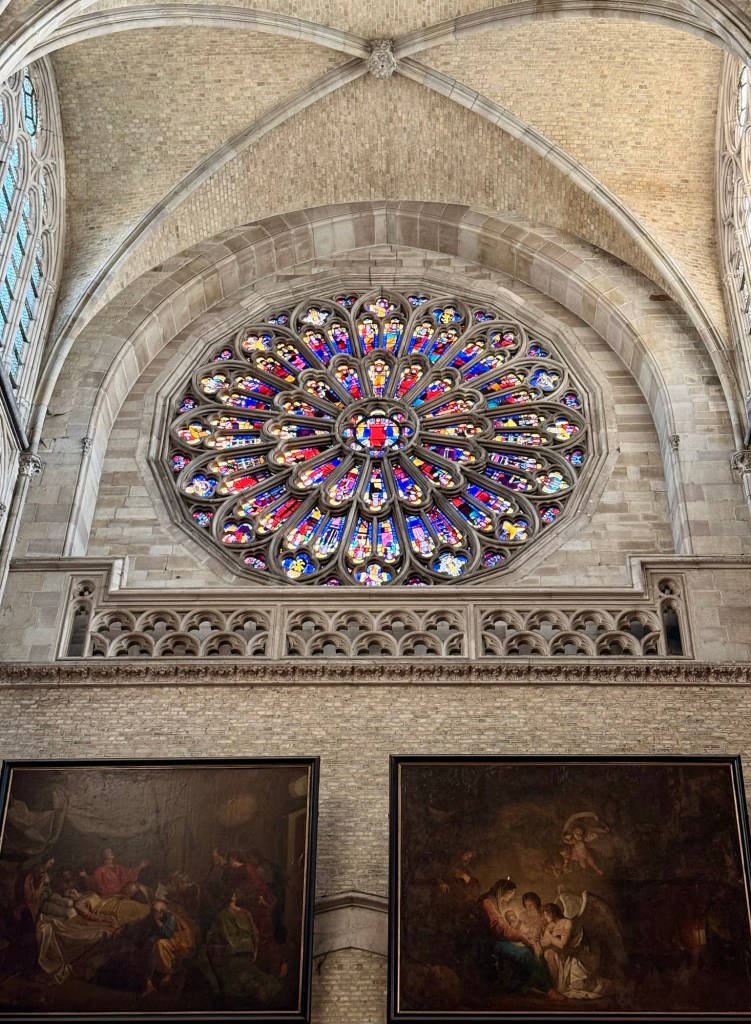
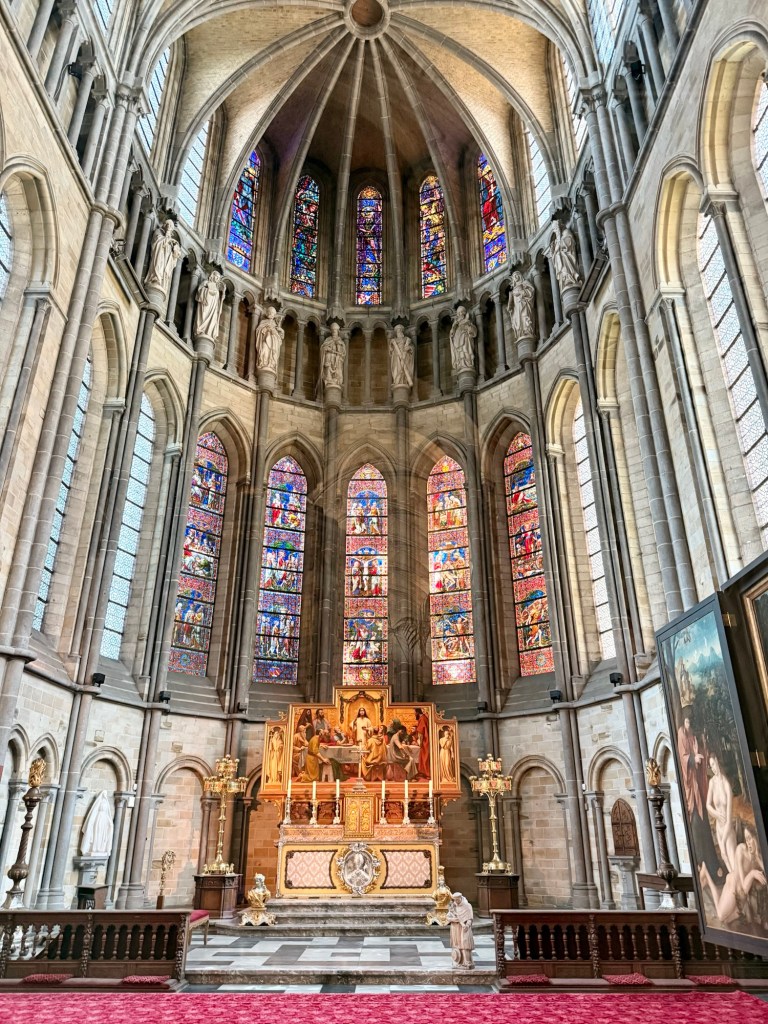
We had an additional treat when we entered the church. There was to be an organ recital this evening at 8 pm, and we heard them practising. in the piece we heard there was an organ and flutes duet… simply beautiful!
Time to get our dinner and then take our place for the memorial service at the Menin Gate . What a moving service indeed. At precisely 8 pm, a bugle trio played The Last Post. This was followed by the laying of the wreaths by Great Britain and the commonwealth nations.
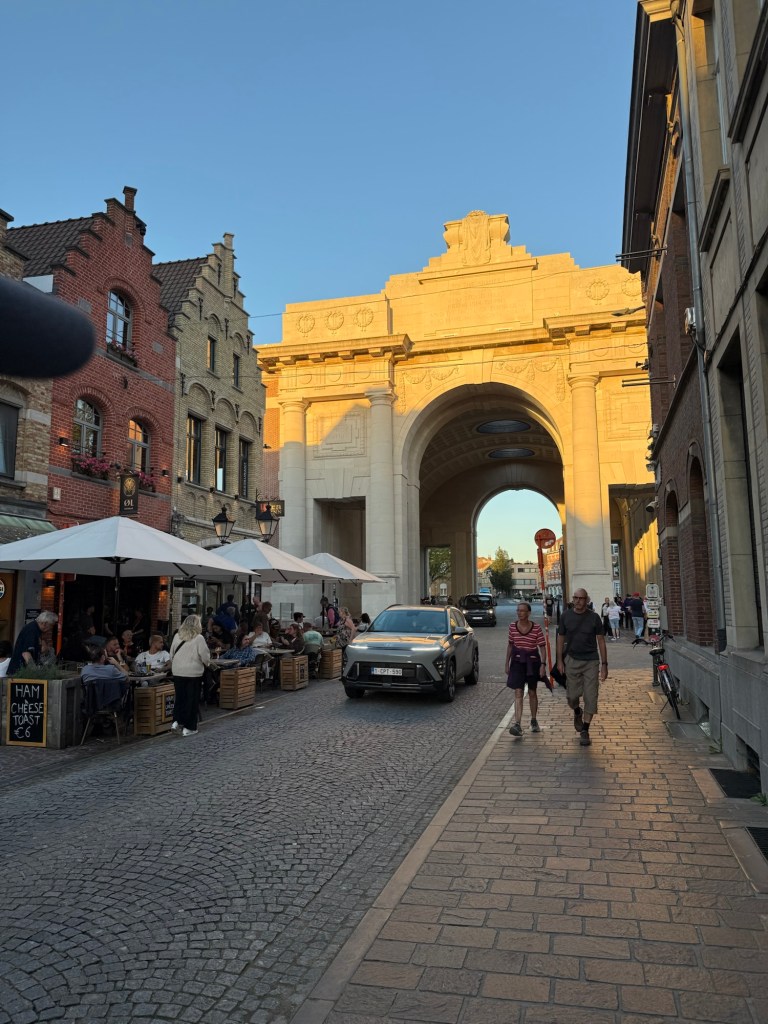
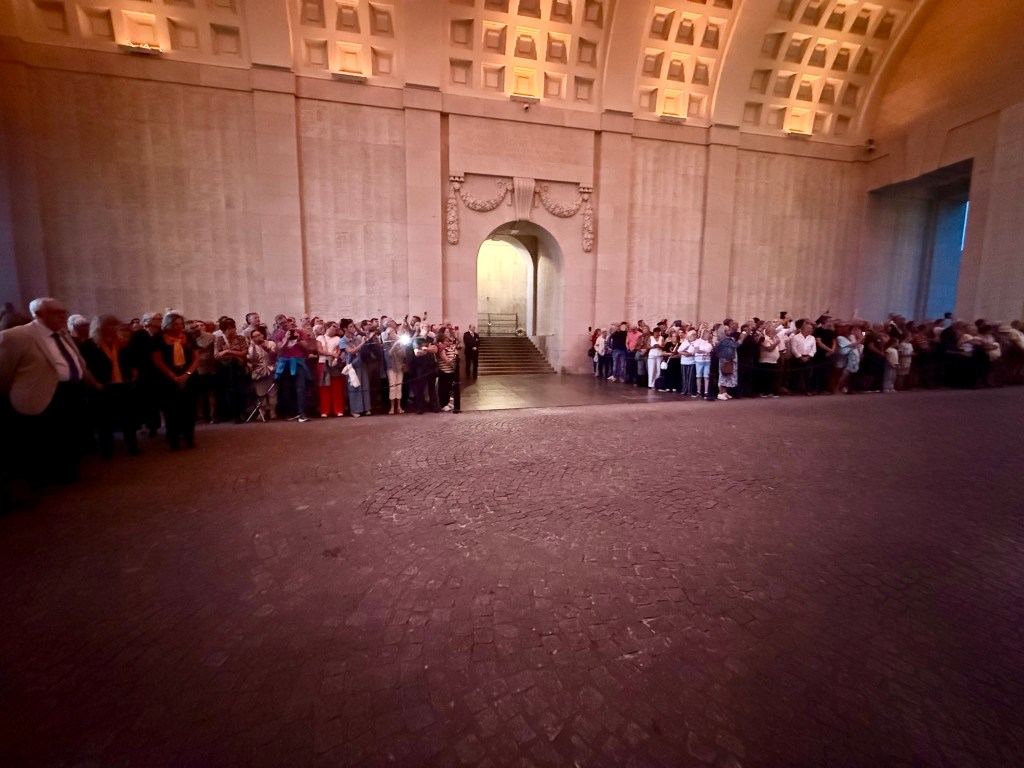
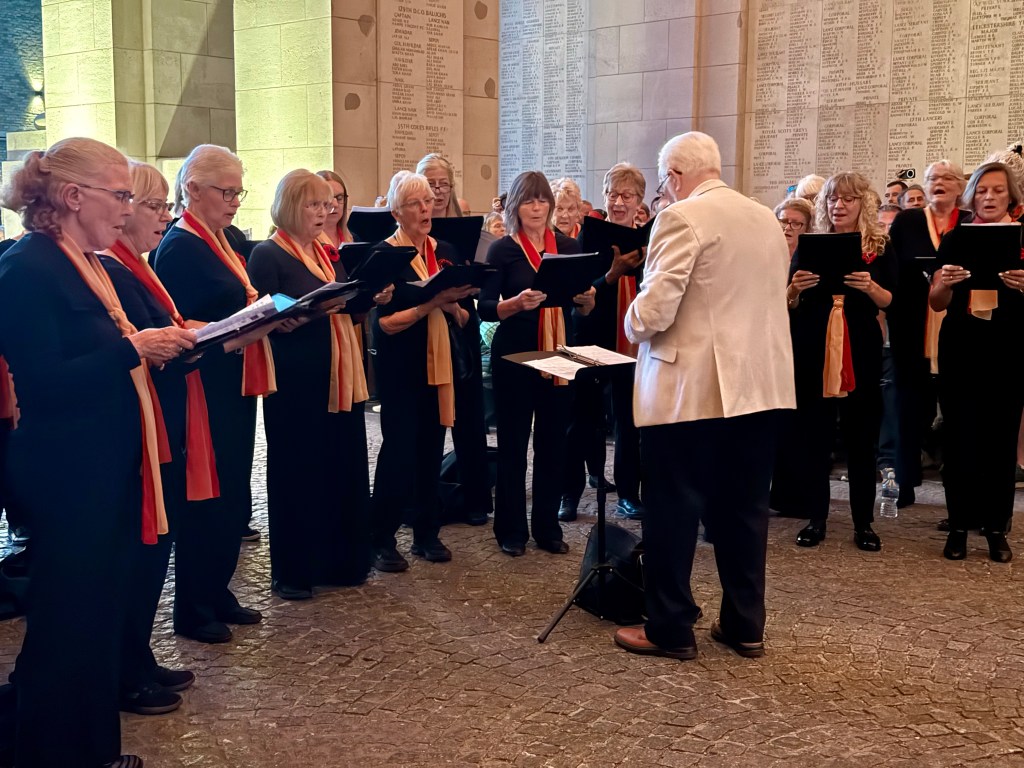
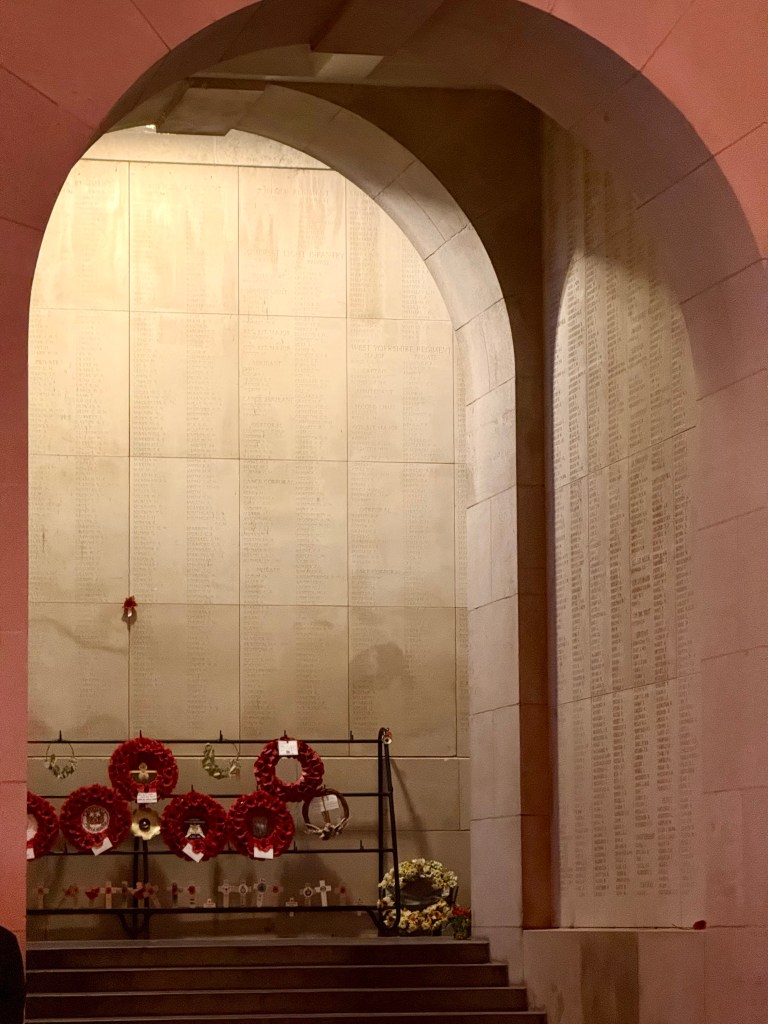
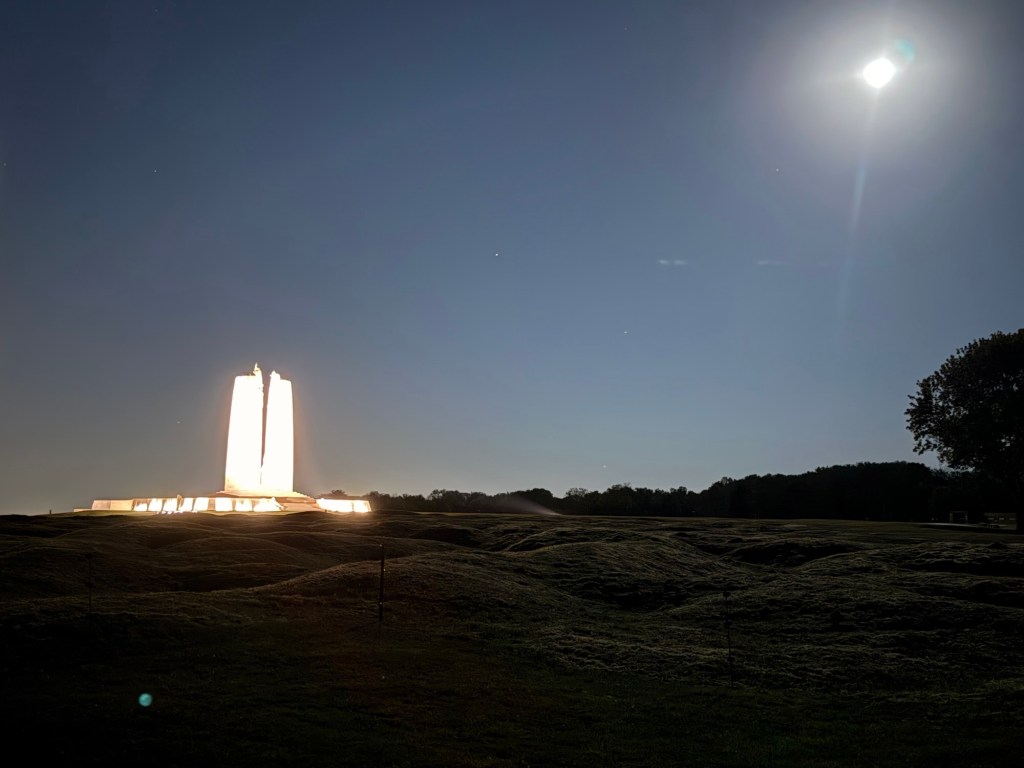
This moving service was over, and it was time to get home. Tomorrow we will be focused on Vimy Ridge. But on the way home, we decided to stop by the memorial as it was a full moon and we wanted to see it lit up. We were not disappointed!
Well it’s time to put this bed, and I will be following close behind! Until tomorrow!




Leave a Reply